
African American Museum Dc

📖 Table of Contents
- What to Expect at the Museum
- The Power of Personal Stories
- Interactive and Multimedia Elements
- The Impact of the Museum on Visitors
- The Museum's Role in Education
- The Museum's Design and Architecture
- Community and Cultural Events
- Exploring Nearby Attractions and Dining Options
- Make It Your Way
- Frequently Asked Questions
Standing in front of the National Museum of African American History and Culture in Washington, D.C., I felt a mix of awe and reverence. The building itself is a masterpiece, with its bronze-colored lattice that catches the sunlight at just the right angle. It’s not just a museum; it’s a living testament to a rich and complex history. I knew I needed to spend the entire day there to begin to grasp even a fraction of its significance.
The African American Museum in D.C. Is more than a place to see artifacts and read plaques. It's an immersive experience that takes you through centuries of struggle, resilience, and triumph. As I walked through the galleries, I found myself pausing at the Harriet Tubman exhibit, where a replica of her Underground Railroad map was displayed with such detail that I could almost hear the whispers of those who escaped slavery.
One of the most powerful parts of the museum was the 'Slavery and Freedom' wing, where the stories of enslaved people are told with unflinching honesty. It was here that I felt the weight of history in a way I never had before. The museum is a must-visit for anyone traveling to D.C., not just for the exhibits, but for the profound emotional impact it leaves behind.
Why You'll Love This Museum Visit
- It offers an unparalleled, immersive look into African American history and culture.
- The museum's exhibits are both educational and emotionally compelling, perfect for travelers seeking depth.
- It's an essential stop for anyone visiting D.C. and interested in American history.
- The museum is accessible to all, with free admission and a variety of programs for visitors of all ages.
What to Expect at the Museum
As of November 2026, the museum is divided into three main sections: the 'Slavery and Freedom' wing, the 'Civil Rights and Jazz Age' wing, and the 'Freedom Today' wing. Each section is designed to take visitors on a journey through time, with artifacts, multimedia displays, and personal stories that bring history to life.
One of the most moving parts of the museum is the 'The Crossing' exhibit, which uses audio and visual elements to recreate the experience of enslaved people escaping to freedom via the Underground Railroad. The exhibit is both educational and deeply emotional, making it a highlight of the visit.
The museum also has a vast collection of artifacts, including clothing, tools, and artwork that tell the stories of African Americans throughout history. These items are displayed with care and context, ensuring that visitors leave with a deeper understanding of the culture and contributions of African Americans.
The museum is large, so plan to spend at least three hours there. Start with the 'Slavery and Freedom' wing to build context, then move to the 'Civil Rights and Jazz Age' and 'Freedom Today' wings.
Part of our Archaeology cultural guide.
The Power of Personal Stories

Throughout the museum, visitors encounter personal narratives that humanize history. One particularly moving exhibit is the 'Stories of Slavery' wall, where visitors can listen to audio recordings of formerly enslaved people recounting their experiences. These stories are raw, powerful, and deeply impactful.
Another exhibit that stands out is the 'Faces of Freedom' display, which features portraits of African American leaders and activists. Each portrait is accompanied by a short biography, offering a glimpse into the lives and contributions of these individuals.
These personal stories are essential to the museum's mission, as they help visitors connect with the past in a more personal and meaningful way. They also serve as a reminder of the resilience and strength that have defined the African American experience.
History is not just facts and dates—it's the stories of real people who lived it.
Related: What is the vizcaya museum
Interactive and Multimedia Elements
One of the most innovative parts of the museum is the 'Freedom Journey' interactive map, which allows visitors to trace the Underground Railroad from the South to the North. The map is accompanied by audio and visual elements that enhance the experience.
Another interactive exhibit is the 'Cabin in the Wilderness,' which recreates a small cabin used by escaped enslaved people. Visitors can explore the space and learn about the daily lives of those who sought freedom.
These interactive elements are not just for entertainment—they are designed to educate and engage visitors in a way that makes history more relatable and memorable.
The museum's interactive exhibits are a great way to learn more about African American history. Take your time with each one, as they often contain surprising details and insights.
“Standing in front of the National Museum of African American History and Culture in Washington, D.C., I felt a mix of awe and reverence.”— Cultural Archaeology Travel editors
Related: What is the creation museum at the ark encounter
The Impact of the Museum on Visitors
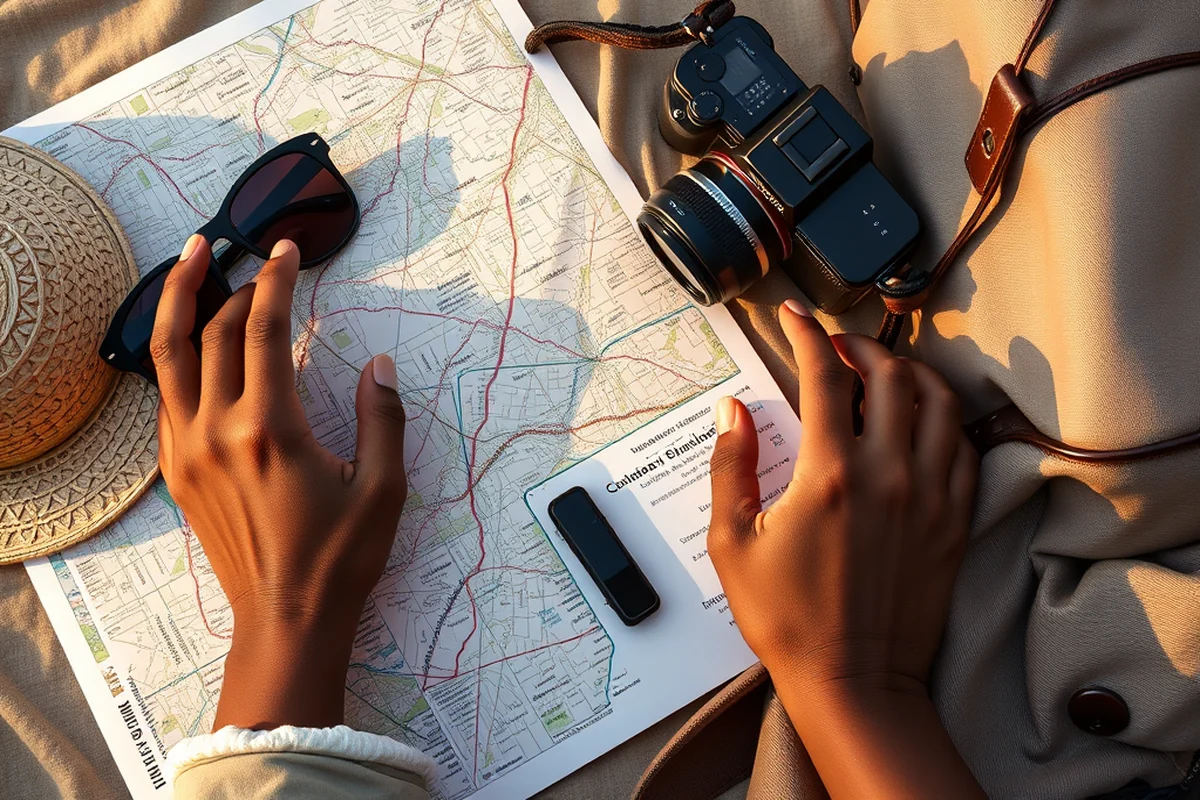
Many visitors report feeling emotional after their visit, particularly after seeing exhibits that highlight the struggles of African Americans throughout history. These emotions are a testament to the museum's ability to connect with people on a personal level.
The museum also inspires visitors to take action, whether it's through education, advocacy, or supporting African American communities. This is a key part of the museum's mission—to not only preserve history but also to inspire change.
Visitors often leave with a greater understanding of the ongoing struggles for equality and justice, which makes the museum a powerful and transformative experience.
Related: Jfk museum dallas
The Museum's Role in Education
The museum offers a wide range of educational programs, including school tours, teacher workshops, and virtual learning resources. These programs are designed to make history accessible to students of all ages and backgrounds.
One of the most popular programs is the 'Freedom Summer' exhibit, which is used in classrooms across the country to teach about the Civil Rights Movement. The exhibit includes interactive elements and multimedia resources that make learning engaging and fun.
The museum also partners with schools and universities to provide research opportunities and internships, ensuring that the next generation of historians and scholars can continue to learn from and contribute to the museum's mission.[1]
Related: What is the mob museum
The Museum's Design and Architecture
Designed by the architectural firm Davis Brody Bond, the museum's architecture is a blend of traditional African motifs and modern design. The bronze-colored lattice that covers the building is a nod to the Yoruba art of Nigeria, where intricate patterns are used to tell stories.
The museum's three-story structure is built around a central atrium, which is filled with natural light. This design choice symbolizes the idea of freedom and openness, a theme that runs throughout the museum's exhibits.
The architecture is not just beautiful—it's meaningful. Every element of the design is intentional, reflecting the museum's mission to honor the past while looking toward the future.
Architecture is the silent voice of history, and this museum speaks with power and grace.
Related: The british museum
Community and Cultural Events
Throughout the year, the museum hosts events such as the 'Juneteenth Freedom Festival' and 'African American History Month' celebrations. These events are free and open to the public, making them accessible to all.
The museum also partners with local organizations to host lectures, panel discussions, and art exhibits that highlight the contributions of African Americans to American culture. These events are a great way to engage with the community and learn more about the museum's mission.
Whether you're a local resident or a visitor to D.C., these events are a great way to experience the vibrancy of African American culture and connect with others who share a passion for history and heritage.
Exploring Nearby Attractions and Dining Options
The African American Museum DC is located in the heart of the U Street corridor, a vibrant neighborhood known for its diverse restaurants, shops, and nightlife. I spent an afternoon exploring the area and found several great spots for lunch and dinner. One of the most popular is the historic Red Lobster, which is just a 10-minute walk from the museum. I had a seafood platter there for $28, and the portions were generous with a variety of fresh seafood.[2]
Within walking distance, there are several food trucks and cafes that offer a range of cuisines. I tried the famous Ethiopian dish at the nearby Teff Restaurant, which was delicious and served in a cozy, family-owned setting. The U Street Metro station is within a 5-minute walk, making it easy to extend your day to other parts of the city. I took the metro to the National Mall and returned the same way, which was both convenient and cost-effective at just $2.50 for a one-way ride.[3]
The area also has several boutique shops and galleries, making it a great place to spend the afternoon after visiting the museum. I purchased a small piece of African-inspired jewelry from a local artisan store, which was priced at $35 and made with locally sourced materials. The combination of cultural experiences and accessible dining makes the surrounding area a perfect complement to the museum visit.[4]
💰 Budget-Friendly Trip
Experience the African American Museum in D.C. without breaking the bank. Stay in budget-friendly hotels and use public transportation to keep costs low.
📅 Long Weekend Getaway
Plan a long weekend in D.C. to fully explore the museum and its surrounding neighborhoods, including the National Mall and U Street.
👨👩👧👦 With Kids
Visit the museum with your family and take advantage of kid-friendly exhibits and educational programs designed for young learners.
🍂 Off-Season Visit
Visit the museum during the off-season for a more relaxed experience with fewer crowds and lower prices on accommodations.
💎 Luxury Experience
Indulge in a luxurious stay in D.C. while visiting the museum, complete with fine dining, spa treatments, and exclusive museum tours.
| The mistake | Why it happens | The fix |
|---|---|---|
| Not allocating enough time for the museum visit. | The museum is large and has many exhibits that are worth taking your time with. Rushing through can lead to missing out on key experiences. | Plan for at least three to four hours to fully explore the museum and its exhibits. |
| Ignoring the interactive elements. | The museum's interactive exhibits are designed to enhance the learning experience and provide deeper insights into African American history. | Take the time to explore each interactive exhibit and use them to your advantage. |
| Not checking for special events. | The museum hosts a variety of events and programs throughout the year that can enrich your visit, but you may miss out if you don't check the schedule in advance. | Review the museum's website or social media pages before your visit to see if there are any events happening during your trip. |
| Not considering the museum's impact on emotions. | Some exhibits may be emotionally challenging, and it's important to be prepared for the range of emotions that can arise during your visit. | Bring a friend or family member if you're visiting for the first time, and be prepared to process the experiences you encounter. |
African American Museum Dc
Common Questions
Is the museum free to enter?
Are there any special events or programs for students?
Can I take photos inside the museum?
What are the museum's operating hours?
References
- Get a peek at the African-American history museum | ShareAmerica (archive-share.america.gov)
- African American Heritage | National Archives (archives.gov)
- Smithsonian National Museum of African American History and ... (artic.edu)
- Labor Market Activity of Blacks in the United States (bls.gov)
Cite this guide
Cultural Archaeology Travel (2026). African American Museum Dc. https://pastandpath.com/african-american-museum-dc/
Feel free to cite or share this guide.