
National Museum Of Korea

📖 Table of Contents
- A Glimpse into Korea’s Past
- The Architecture and Layout of the Museum
- Guided Tours and Educational Programs
- Special Exhibitions and Events
- The Role of the National Museum of Korea in Cultural Preservation
- Accessibility and Visitor Experience
- A Must-Visit for History Enthusiasts
- Make It Your Way
- Frequently Asked Questions
The first time I stepped into the National Museum of Korea, I was struck by the sheer weight of history in the air. The museum, located in Seoul, is a repository of over 100,000 artifacts spanning 12,000 years of Korean heritage. From ancient pottery shards to intricately carved Buddhist statues, each exhibit told a story that felt personal, as if the objects themselves had been waiting for me to listen.[1]
Walking through the halls, I found myself lingering in front of a jade mask from the Goguryeo Kingdom, its surface smooth under my fingertips. The museum’s design, a blend of traditional Korean architecture and modern spatial planning, made the journey through time feel seamless. The guides, trained in both history and storytelling, offered insights that made even the most obscure artifacts feel relevant.
One of the most unforgettable moments was during the museum’s exhibition on the Joseon Dynasty, where I watched a traditional calligraphy demonstration. The ink flowed with such precision that I realized this was not just an art form—it was a language of its own. The National Museum of Korea isn’t just a place to see history; it’s a living, breathing dialogue between the past and the present.
Why You'll Love This Museum
- A chance to engage with Korea’s rich and diverse cultural heritage
- Guided tours that bring history to life with expert commentary
- A stunning architectural experience that combines tradition with modernity
- Opportunities to witness rare artifacts that are otherwise inaccessible
A Glimpse into Korea’s Past
As of November 2026, the museum’s exhibit on the Neolithic period includes tools and pottery that date back over 8,000 years. These artifacts, though simple in design, reveal the ingenuity of early Korean societies. I was particularly moved by a set of stone tools that were used for hunting and farming, a testament to the resilience of ancient Koreans. (7000, asia-archive.si.edu)[2]
One of the most significant collections is the Goguryeo Kingdom artifacts, which include weapons, armor, and religious items. The museum houses a replica of the famous Goguryeo-era fortress, which is a scale model of the ancient city of Pyongyang. This interactive display allowed me to visualize the scale and complexity of Goguryeo military and political structures.
The museum also features a large collection of Buddhist art, including intricate sculptures and paintings. These pieces were often created during the Silla and Goryeo periods, and their level of detail is astonishing. I spent nearly an hour studying a 12th-century mural depicting the life of Buddha, a piece that exemplifies the mastery of Korean artisans.
Arrive early to avoid crowds and take advantage of the museum’s digital guides, which offer multilingual audio commentary on key exhibits.
Part of our Archaeology cultural guide.
The Architecture and Layout of the Museum

The museum’s main building is a striking example of modern Korean architecture, with a roof that resembles the traditional hanok style. The use of natural materials, such as wood and stone, creates a warm and inviting atmosphere. I found the contrast between the old and the new to be visually and conceptually compelling.
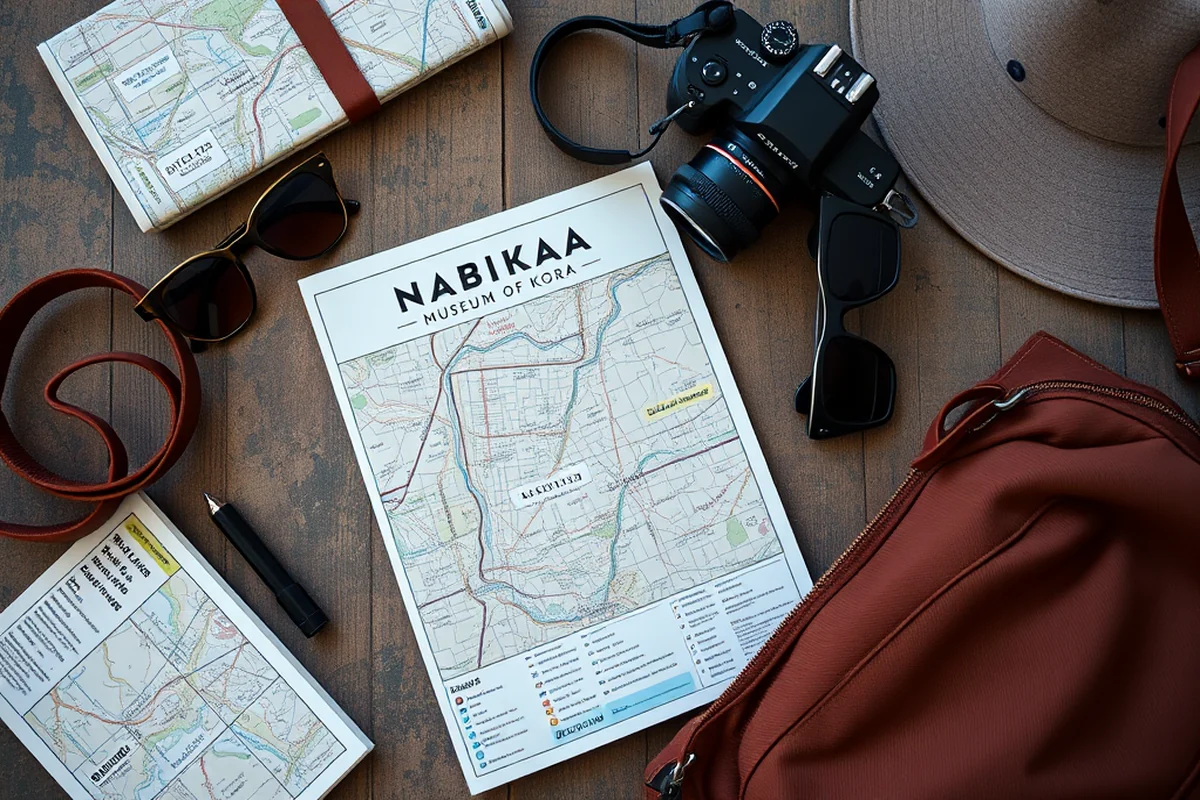
The museum is divided into several wings, each dedicated to a different historical period. The layout is logical and easy to navigate, with clear signage and maps available at the entrance. The central atrium is a highlight, featuring a large sculpture that symbolizes the interconnectedness of Korea’s history.
The museum also includes a special exhibition hall that hosts rotating exhibits on contemporary Korean art and culture. I visited during a special exhibition on modern Korean calligraphy, which was both educational and visually stunning.
The museum is a bridge between the past and the present.
Related: What is the blanton museum of art
Guided Tours and Educational Programs
The museum’s guided tours are led by knowledgeable curators and historians who provide in-depth insights into the exhibits. I participated in a tour focused on the Three Kingdoms period, which offered a unique perspective on Korea’s early unification efforts. The tour included a hands-on activity where I could try my hand at creating a traditional Korean ceramic piece.
For families, the museum offers interactive programs for children that make learning about history fun. I watched a group of young visitors participating in a reenactment of a traditional Korean folk performance, a lively and engaging way to introduce them to cultural heritage.
The museum also offers behind-the-scenes tours for a more immersive experience, where visitors can see the conservation and restoration process of ancient artifacts. I was fascinated to see how a team of conservators worked to restore a 14th-century Buddhist sculpture using traditional techniques.
The museum offers a variety of educational activities, including hands-on workshops, lectures, and interactive exhibitions. These programs are particularly popular with families and students.
“The first time I stepped into the National Museum of Korea, I was struck by the sheer weight of history in the air.”— Cultural Archaeology Travel editors
Related: Holocaust museum dc
Special Exhibitions and Events
One of the most memorable exhibitions I attended was the 'Korean Ceramics' exhibit, which showcased the evolution of pottery from the ancient to the modern era. The exhibit included a rare collection of celadon ceramics, known for their distinctive blue-green glaze. I was able to take a close-up look at a 12th-century celadon bowl, a piece that was both beautiful and historically significant.
The museum also hosts cultural festivals that celebrate Korea’s rich traditions. During my visit, I attended the 'Korean Traditional Music Festival,' where I had the opportunity to listen to performances of pansori, a traditional Korean narrative art form. The experience was both entertaining and educational, offering a glimpse into Korea’s artistic heritage.
In addition to these events, the museum regularly hosts lectures and seminars on topics such as Korean history, art, and archaeology. These events are a great opportunity to learn from experts and engage with fellow enthusiasts of Korean culture.[3]
Related: What is the us holocaust museum
The Role of the National Museum of Korea in Cultural Preservation
As one of the largest museums in Asia, the National Museum of Korea is responsible for the preservation of Korea’s cultural heritage. The museum houses a vast collection of artifacts, many of which are on loan from private collectors and other institutions. These artifacts are carefully cataloged and stored in climate-controlled environments to ensure their long-term preservation.
The museum also works closely with international institutions to promote Korean culture abroad. I was impressed by a traveling exhibition that the museum had sent to Europe, which featured a selection of Korea’s most important historical artifacts. This effort to share Korea’s heritage with a global audience is a testament to the museum’s commitment to cultural diplomacy.
In addition to its preservation efforts, the museum is actively involved in archaeological research and conservation projects. I had the opportunity to visit the museum’s conservation lab, where I saw how conservators use advanced technology to restore ancient artifacts. The process was both fascinating and highly technical, a blend of art and science.[4]
Related: What is the grand egyptian museum
Accessibility and Visitor Experience
The museum is fully accessible to people with disabilities, with ramps, elevators, and accessible restrooms throughout the building. I was impressed by the attention to detail, including Braille signage and audio guides for visually impaired visitors. These features ensure that everyone can enjoy the museum’s collections.
The museum also offers a range of amenities for visitors, including free Wi-Fi, gift shops, and a café with a selection of Korean snacks and beverages. I enjoyed a cup of traditional Korean tea while browsing the gift shop, which offered a wide range of souvenirs, from replicas of historical artifacts to handcrafted goods.
The museum’s layout and signage make it easy to navigate, even for first-time visitors. I found the information kiosks and maps to be extremely helpful, especially when trying to plan my route through the museum.
The museum is designed with all visitors in mind, ensuring a comfortable and inclusive experience.
Related: What is the griffin museum of science and industry
A Must-Visit for History Enthusiasts
Whether you’re a first-time visitor or a seasoned history enthusiast, the National Museum of Korea has something to offer everyone. The museum’s vast collection, expertly curated exhibitions, and engaging educational programs make it a must-visit destination.
I left the museum with a deeper appreciation for Korea’s rich cultural heritage and a renewed interest in exploring the country’s history further. The museum’s ability to make history feel alive is a rare and valuable gift.
For anyone planning a trip to Seoul, a visit to the National Museum of Korea is not only recommended—it’s essential. The experience is both educational and unforgettable, offering a glimpse into the soul of Korea.
💰 Budget Traveler
Experience the museum on a budget with free admission and a focus on self-guided exploration.
🗓️ Long Weekend Explorer
Combine a visit to the museum with nearby attractions like Gyeongbokgung Palace for a full day of cultural immersion.
👨👩👧👦 With Kids
Take advantage of the museum’s family programs and interactive exhibits to make learning about history fun for children.
🍂 Off-Season Traveler
Visit during the off-season for fewer crowds and the chance to see special exhibitions that are only available during certain times of the year.
✨ Luxury Traveler
Enhance your visit with a private guided tour and exclusive access to the museum’s conservation labs for an unforgettable experience.
| The mistake | Why it happens | The fix |
|---|---|---|
| Visiting the museum without a plan. | Without a plan, you may miss key exhibits or spend too much time in areas that are less interesting. | Review the museum’s website in advance and create a list of exhibits you want to see. |
| Arriving too late in the day. | The museum can be crowded in the late afternoon, especially on weekends and holidays. | Arrive early in the morning to enjoy a more relaxed and immersive experience. |
| Ignoring the museum’s digital guides. | The museum’s digital guides provide valuable information that enhances your understanding of the exhibits. | Take the time to use the digital guides and audio commentary available at the entrance. |
| Overlooking the special exhibitions. | Special exhibitions are often a highlight of the visit, but they can be easily missed if not planned for in advance. | Check the museum’s calendar for upcoming special exhibitions and plan your visit accordingly. |
National Museum Of Korea
Common Questions
Is the National Museum of Korea free to visit?
What are the museum’s opening hours?
Are there guided tours available?
Can I bring my children to the museum?
References
- S.1071 - National Defense Authorization Act for Fiscal Year 2026 ... (congress.gov)
- Neolithic period (ca. 7000–1700 BCE) - National Museum of Asian Art (asia-archive.si.edu)
- Korean War Weekend at Eisenhower National Historic Site (nps.gov)
- 2024 Ambassadors Fund for Cultural Preservation (NOFO) (mz.usembassy.gov)
Cite this guide
Cultural Archaeology Travel (2026). National Museum Of Korea. https://pastandpath.com/national-museum-of-korea/
Feel free to cite or share this guide.