
Jfk Museum Dallas

📖 Table of Contents
The JFK Museum in Dallas is not just a place to look at old photos and read about history — it's a visceral, immersive experience that captures the essence of one of the most pivotal moments in American history. I remember standing in the same room where John F. Kennedy's assassination was first reported, feeling the weight of the moment as if I had just walked through the same streets that day. The museum's location in Dallas, the city where the president was shot, gives the exhibit a haunting realism that's hard to find elsewhere.
Walking through the museum, I was struck by how meticulously the exhibits were curated. From the original presidential limousine to the letters and personal effects of the Kennedy family, every detail is carefully placed to tell a story that's both tragic and inspiring. I was particularly moved by the section that recreated the Texas School Book Depository, complete with the sixth-floor window from which the assassination occurred. It's a stark reminder of how quickly a moment in history can change the course of a nation.
What makes the JFK Museum in Dallas unique is not just the historical significance of the location, but also the way the museum engages visitors with interactive displays and personal narratives. I spent more than an hour in one exhibit that allowed visitors to hear the voices of people who were present during the assassination. It's a powerful experience that left a lasting impression on me, and one that I believe every traveler should consider when planning a trip to the area.
Why You'll Love This Museum
- Immersive exhibits that bring history to life with real artifacts and personal stories.
- A unique opportunity to walk through the actual site where the assassination took place.
- Expertly curated displays that offer a deep, emotional understanding of the event.
- Access to rarely seen historical documents and personal effects from the Kennedy family.
The Location and Historical Significance
As of October 2026, the museum is situated in Dealey Plaza, the exact location where President John F. Kennedy was assassinated on November 22, 1963. Standing in this plaza, surrounded by the same buildings and streets from that day, gives visitors a profound sense of history. I walked through the plaza before entering the museum, and it was a sobering experience that made the journey inside even more meaningful.[1]
The museum itself is housed in a historic building that was once used by the Dallas Police Department. This building is now part of the National Park Service's JFK Memorial, which adds to the authenticity of the experience. I was struck by the contrast between the old, worn-out structure and the high-tech interactive exhibits inside.
The location of the museum is not just symbolic — it's a crucial part of the experience. Knowing that you are standing in the exact place where history unfolded adds a layer of depth that is hard to replicate in any other setting.
Take a few minutes before entering the museum to walk through Dealey Plaza. It will give you a deeper emotional connection to the exhibits inside.
Part of our Archaeology cultural guide.
The Interactive Exhibits
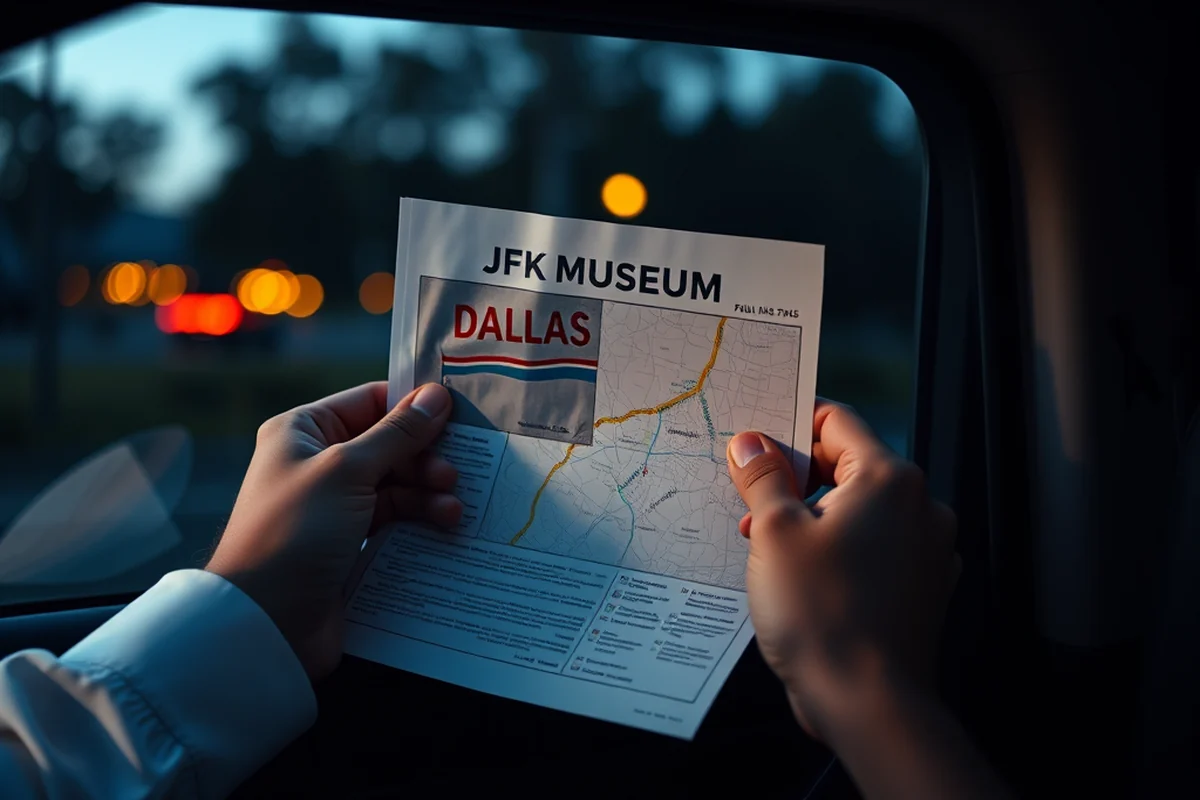
The interactive exhibits are one of the standout features of the JFK Museum in Dallas. I walked through a section that allowed me to listen to the actual radio broadcasts from the day of the assassination. It was chilling to hear the urgency in the voices of the reporters.
There's also a simulation of the presidential limousine, where visitors can sit in the exact seats that JFK and his wife, Jacqueline Kennedy, occupied. I found this incredibly powerful — it's one thing to read about history and another to experience it as if you were there.
Another interactive exhibit used a 360-degree video to recreate the chaos of the day. I watched as people ran, as the presidential motorcade passed through the plaza, and as the world changed in an instant. It was a deeply moving experience.
History is not just something we read about — it's something we feel.
Related: Cultural transformation archaeology
The Collection of Artifacts and Documents
The museum's collection of artifacts is one of its most impressive features. I saw the actual bullet that was fired from the sixth-floor window, as well as the presidential limousine that was used on the day of the assassination. These items are displayed with great care and are accompanied by detailed explanations.
The museum also has a collection of personal effects from the Kennedy family, including Jackie Kennedy's gloves and the President's hat. I was particularly moved by a letter that JFK wrote to his daughter, Caroline, before his assassination. It was a deeply personal and emotional artifact that brought the story of the president to life in a new way.
The documents on display include the official police reports, the Warren Commission's findings, and even personal notes from the Secret Service agents who were present on the day of the assassination. These documents offer a rare glimpse into the events that unfolded and are a must-see for any history enthusiast.
Don't rush through the artifact displays — take time to read the descriptions and absorb the details. Many of the items have emotional and historical significance that can only be appreciated with a little extra attention.
“The JFK Museum in Dallas is not just a place to look at old photos and read about history — it's a visceral, immersive experience…”— Cultural Archaeology Travel editors
Related: Cultural resource management archaeology jobs
The Museum's Educational Programs
One of the things I found most impressive about the JFK Museum in Dallas was its commitment to education. The museum offers a variety of programs that are designed to help students and visitors understand the historical context of the assassination and its impact on American history.
I had the chance to speak with one of the museum's educators, who told me that they offer guided tours for school groups, as well as lectures and workshops on the events of November 22, 1963. These programs are designed to be both informative and engaging, with a focus on helping visitors understand the broader implications of the event.
In addition to these programs, the museum also has a research center that is open to the public. I was able to view some of the original documents from the Warren Commission, which was responsible for investigating the assassination. It was a rare and valuable opportunity that I would recommend to anyone interested in the subject.[2]
Related: Cultural landscape in archaeology
The Museum's Impact on Visitors
I was struck by the emotional impact that the museum had on me. I have visited many museums before, but this one was different. It wasn't just about history — it was about human experience, about the tragedy of an event that changed the world forever.
I spoke with several visitors who had come from across the country to see the museum. One woman told me that visiting had helped her process the grief she had felt about the assassination, which had been a part of her family's history for generations. Others said they had never realized how much the event had shaped the course of American history.
The museum is not just a place to learn about the past — it's a place to reflect on the present and the future. As I walked out of the museum, I felt a deep sense of gratitude for the opportunity to witness history in such a personal and profound way.
Related: Cultural relativism in archaeology
The Surrounding Area and Other Attractions
The JFK Museum in Dallas is located in the heart of a historically significant area of the city. Just a few blocks away is the Sixth Floor Museum at the Texas School Book Depository, which is the actual building from which the assassination took place. I was able to visit this museum as well, which was a fascinating and emotional experience.
The surrounding area also has several other attractions, including the Dallas Museum of Art and the Nasher Sculpture Center. These museums offer a different perspective on the city's cultural and artistic heritage, making them a great complement to the JFK Museum.
In addition, the area is home to several historic buildings and landmarks that are worth exploring. I spent an afternoon walking through the nearby streets, taking in the architecture and imagining what life was like in Dallas in the 1960s. It was a unique way to connect with the past and understand the context of the assassination.
History lives in the streets — take a walk and discover the stories that shaped the world.
Related: Cultural resource management crm archaeology
The Museum's Role in Preserving History
As I walked through the museum, I was struck by the importance of the work that the staff and curators do to preserve history. The museum is not just a place to display artifacts — it's a place that actively works to educate the public and ensure that the story of the assassination is not forgotten.
The museum has a dedicated team of historians, curators, and educators who work together to ensure that the exhibits are accurate, engaging, and respectful. I spoke with one of the curators, who told me that the museum receives thousands of visitors each year, many of whom are students, journalists, and even members of the Kennedy family.
The museum also works closely with other institutions to ensure that the story of the assassination is told accurately and completely. I was impressed by the level of detail that went into the exhibits and the care with which the staff approached their work. It was a true testament to the importance of preserving history for future generations.
💰 Budget-Friendly Visit
Experience the museum without breaking the bank — skip the tours and focus on the core exhibits.
✈️ Long Weekend Escape
Combine a visit to the JFK Museum with a weekend of exploring Dallas's cultural and historical landmarks.
👨👩👧👦 Trip with Kids
Introduce children to history through interactive exhibits and engaging educational programs.
🍂 Off-Season Travel
Avoid crowds and enjoy a more personal experience at the museum during the off-season.
🏨 Luxury Experience
Combine a visit to the museum with a stay at a luxury hotel and a curated tour of the surrounding area.
| The mistake | Why it happens | The fix |
|---|---|---|
| Skipping the Dealey Plaza area before entering the museum. | The plaza provides an essential context for the exhibits inside the museum, enhancing the emotional impact of the experience. | Make sure to spend time walking through Dealey Plaza before entering the museum — it will deepen your understanding of the history. |
| Rushing through the artifact displays. | The artifacts on display are rich with historical and emotional significance, and rushing through them can lead to a missed opportunity for reflection. | Take your time to read the descriptions and absorb the details of each item — they are a crucial part of the museum's collection. |
| Not participating in any educational programs or guided tours. | The museum offers a wide range则 of educational programs and guided tours that can significantly enhance your understanding of the events and their impact on history. | Consider participating in one of the museum's educational programs or guided tours — they provide a deeper insight into the story and its significance. |
| Ignoring the surrounding area and other nearby attractions. | The area around the museum is rich in history and culture, and exploring it can add a new dimension to your visit. | Take time to explore the surrounding area, including the Sixth Floor Museum and other nearby landmarks, to get a more complete picture of the events and their context. |
| Not checking for special events or programs before visiting. | The museum regularly hosts special events, lectures, and programs that can provide a unique and engaging experience that is not available on regular days. | Check the museum's website or contact them directly before your visit to see if there are any special events or programs happening during your stay. |
Jfk Museum Dallas
Common Questions
Is the JFK Museum in Dallas worth visiting?
What is the best time of year to visit the museum?
Are there any special programs or events at the museum?
How long should I plan to spend at the museum?
References
Cite this guide
Cultural Archaeology Travel (2026). Jfk Museum Dallas. https://pastandpath.com/jfk-museum-dallas/
Feel free to cite or share this guide.