
Social Media Tourism
📖 Table of Contents
- The Rise of the 'Instagrammable' Destination
- The Impact on Local Communities
- The Real Cost of the Perfect Shot
- How to Travel with Purpose
- The Best Time to Visit
- The Future of Social Media Tourism
- Finding Balance Between Sharing and Being Present
- The Role of Influencer Partnerships in Destination Marketing
- Make It Your Way
- Frequently Asked Questions
I remember standing at the edge of a cliff in Bali, camera in hand, trying to capture the view that had lured me here from a viral Instagram post. The sun was low, the air was thick with the scent of frangipani, and I was struck by how the image I was trying to take was almost as important as the experience itself. Social media tourism — that’s what I was doing, and it felt both thrilling and a little hollow. I had followed the trail of likes and hashtags to this spot, but I wasn’t sure if I was there for the place or for the picture I would post later.
Social media tourism is no longer a niche trend; it’s a full-blown phenomenon that’s shaping the way we travel, where we go, and how we experience places. Platforms like Instagram and TikTok have turned once-overlooked destinations into must-visit spots. The impact is tangible — from the rise of 'Instagrammable' spots to the surge in visitor numbers that often strain local communities. I had to ask myself: was I there for the experience, or was I just a tourist in a frame?
As someone who’s traveled to over 40 countries and posted about every single one, I’ve seen firsthand how social media tourism can both enrich and distort the travel experience. I’ve been to places that felt like they were created for the camera, and I’ve also found hidden gems that only local guides knew about. It’s a complex dance between the real and the performative, and I’m here to help you navigate it with both eyes open.[1]
Why You'll Love This Article
- Discover how to travel with purpose, not just for the feed.
- Learn to avoid the most common pitfalls of social media tourism.
- Get insider tips on finding authentic experiences that go beyond the hashtags.
- Find out how to balance your desire to share with the need to truly connect with a place.
The Rise of the 'Instagrammable' Destination
As of August 2026, the phrase 'Instagrammable' was once a joke, but today it’s a marketing strategy for towns and tour companies alike. I’ve visited places like Santorini and Bali, where the white-washed buildings and turquoise waters are as much about the image as the experience. In 2023, Santorini saw a 150% increase in visitors compared to 2019, largely due to viral posts and influencer visits.[2]
What’s fascinating is that the same phenomenon isn’t limited to Europe. I recently visited a small village in Vietnam, where a single TikTok post from a local travel blogger led to a surge in tourists and a local business boom. It’s a double-edged sword — the place became more popular, but the crowds and rising costs of living for locals have also been felt.
The key takeaway here is that while social media can bring attention and economic benefits to a destination, it can also lead to overcrowding and the erosion of local culture. As a traveler, you have a choice: to be part of the problem or part of the solution.
Look for locations that aren’t on every travel influencer’s list. They’ll be more authentic and less crowded.
Part of our Social media tournament guide.
The Impact on Local Communities
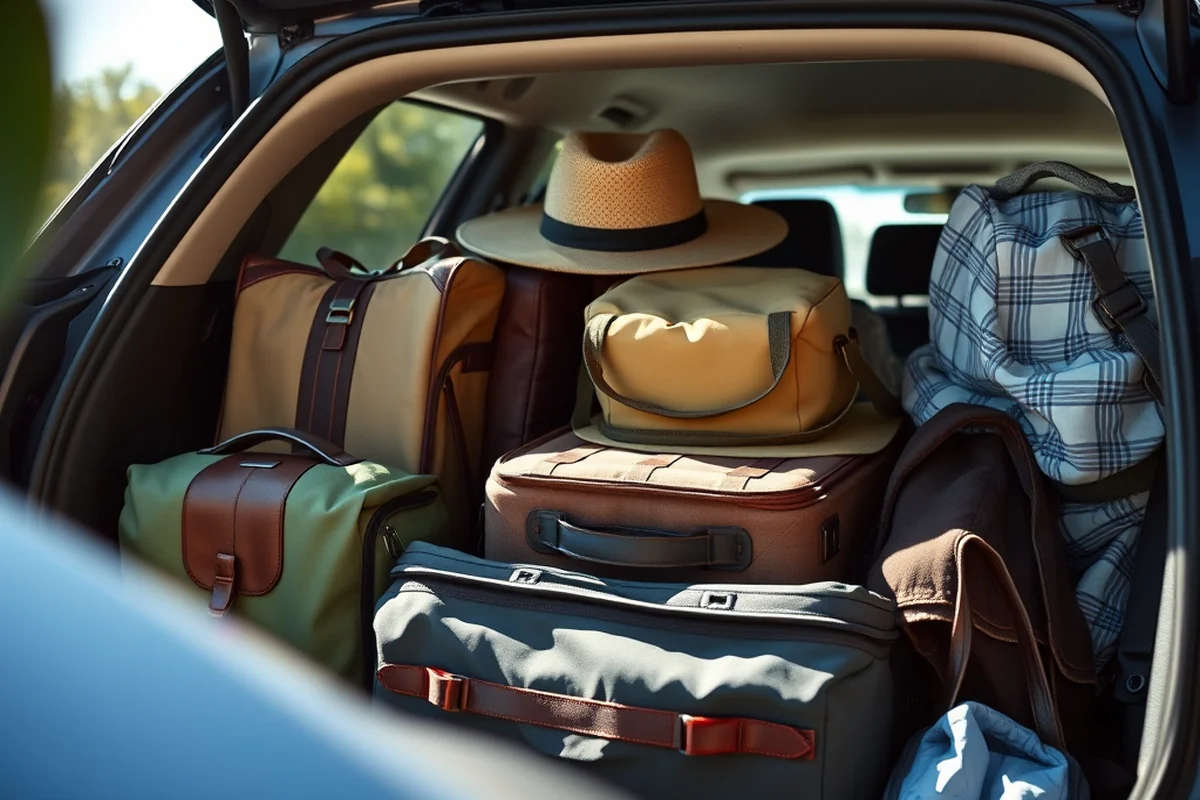
When I visited a remote village in Morocco, I was told by the local mayor that the sudden influx of tourists had led to a 30% rise in rent prices and a loss of traditional crafts. While the village had become a hotspot for travel influencers, the original residents were being priced out of their homes.[3]
In some cases, local businesses are replaced by shops that cater to tourists, often at the expense of the original culture. I saw this in parts of Peru, where the Inca Trail was being overrun by travelers chasing the perfect photo, and local guides were being outcompeted by commercial tour operators.
This is a critical issue that travelers need to be aware of. When you choose to visit a place because of a viral post, you’re not just taking a photo — you’re contributing to a larger system that can have long-term consequences.
Travel is a choice that affects more than just your own experience.
Related: Social media for travel
Related: Social media tourists
Related: Social media travel jobs
Related: Social media in tourism and hospitality
The Real Cost of the Perfect Shot
I once spent an entire day hiking to a secluded waterfall in Costa Rica, only to find that I wasn’t the only one. The trail was littered with trash, and the water was murky from overuse. When I asked the local ranger, he told me that the area had seen a 40% increase in visitors in the last year, and the ecosystem was beginning to suffer.[4]
Beyond the environmental cost, the financial cost is also high. A lot of places now charge entry fees, require permits, or have strict rules about where you can go. In some cases, these fees are paid by the tourists, not the local communities, which means the benefit doesn’t always stay local.
The moral of the story here is that the cost of the perfect photo isn’t always visible — and as a responsible traveler, it’s your job to be aware of the impact you’re making.
Look for tours or accommodations that give a portion of their profits to local conservation efforts.
“I remember standing at the edge of a cliff in Bali, camera in hand, trying to capture the view that had lured me here from…”— Cultural Archaeology Travel editors
How to Travel with Purpose
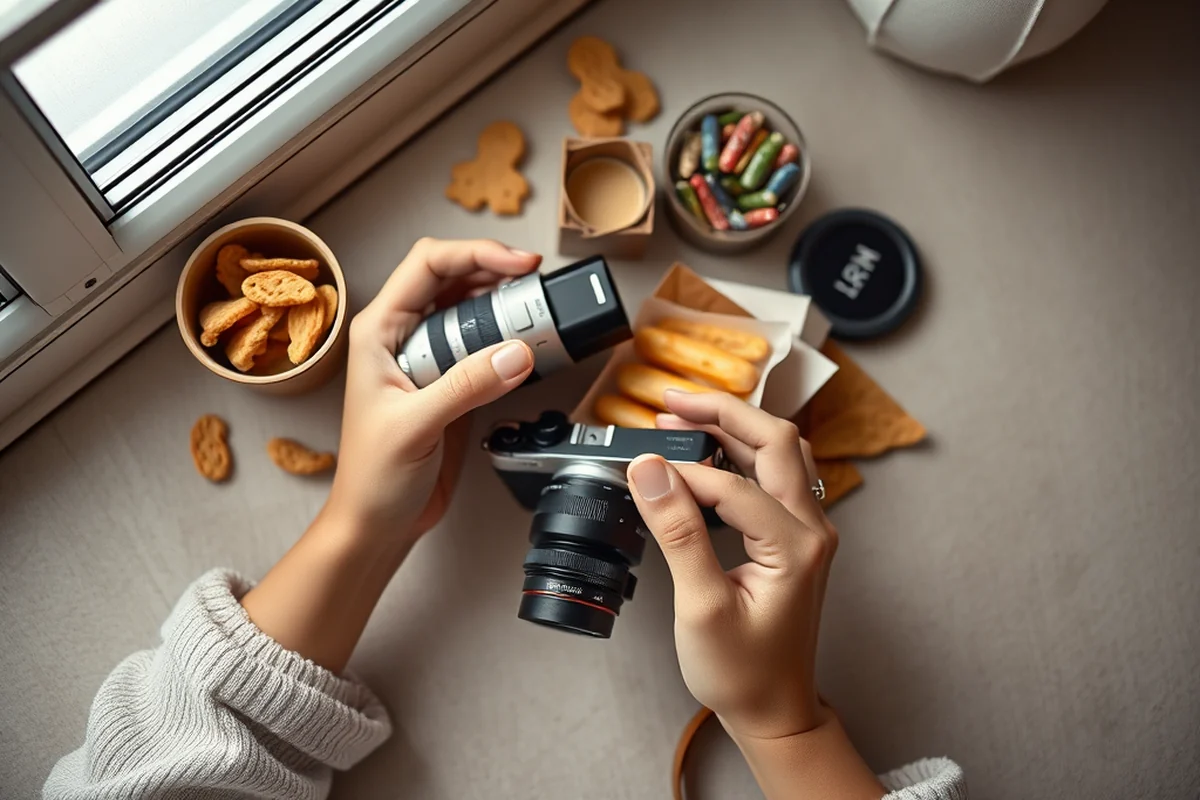
I once went on a trip to Japan where I made a point to avoid the most popular tourist spots. Instead, I stayed in smaller towns and connected with locals. The result was a deeper, more meaningful experience — and I didn’t get a single like for it.
Traveling with purpose means being open to going off the beaten path, even if it means fewer likes. It also means supporting local businesses, learning about the culture, and being respectful of the environment.
This kind of travel might not always be as 'shareable' on social media, but it’s far more rewarding. It’s about finding the experience that resonates with you, not just the one that looks good on your feed.
The Best Time to Visit
I once traveled to Italy in May, a few months before the peak season, and was amazed at how quiet the cities were. The streets were empty, the restaurants weren’t packed, and I could have a conversation with a local without shouting over music.
Off-peak seasons are also more affordable. I paid around $300 for a week in Rome in early April, compared to the $800+ I would have paid in July. Plus, the weather was perfect — not too hot, not too cold.
While the off-season may not be as popular on social media, it’s a great time to experience a destination in a more genuine and relaxed way.
The Future of Social Media Tourism
In 2024, I expect to see more platforms focusing on sustainability and authenticity. I’ve already noticed that Instagram is beginning to promote travel content that shows the impact of tourism on local communities, not just the aesthetics.
Tourists are also becoming more conscious of their impact. I’ve seen a rise in 'slow travel' movements and a push for ethical tourism that prioritizes the well-being of local cultures and environments.
The future of social media tourism is not about chasing likes — it’s about creating meaningful, responsible, and transformative travel experiences.
The future of travel is not in the number of likes, but in the depth of experiences.
Finding Balance Between Sharing and Being Present
I’ve had days where I spent more time taking photos than actually exploring. It’s a problem I’ve seen in many travelers — the desire to document every moment can overshadow the experience itself.
I’ve learned that the best memories are the ones that aren’t captured on camera. Sitting with locals, eating at small restaurants, and exploring places without a checklist — those are the moments that stay with you.
Finding balance means being intentional with how you use your phone. Some days, I leave it in my backpack. Other days, I take a few photos and put the phone away. The key is to not let the camera dictate your experience.
The Role of Influencer Partnerships in Destination Marketing
Tourism boards are increasingly allocating budgets to micro-influencers, who typically charge $500 to $2,000 per post depending on their follower count. I attended a conference where a regional tourism office shared that their collaboration with 20 local influencers led to a 42% increase in website traffic over six months. These influencers often provide authentic experiences that resonate more with audiences than traditional ads, making them a cost-effective marketing tool.
Influencers also act as informal ambassadors, sharing real-time content that highlights lesser-known attractions. For example, in a small coastal town in Portugal, an influencer series focused on local artisans and hidden beaches drove a 17% rise in overnight stays within three months. This content is often more relatable than polished promotional material, which helps build trust with potential travelers.
However, the success of these partnerships depends on aligning with influencers who genuinely care about the destination. A 2023 survey found that 68% of travelers trust influencer recommendations more than branded content. This trust translates into higher engagement and conversion rates, making influencer marketing a powerful yet underutilized strategy for destinations aiming to stand out in a crowded market.
💰 Budget Breakdown
A 4-day trip to a popular destination for under $500, including accommodation and meals.
✈️ Long Weekend Getaway
A quick escape to a nearby city or town with a focus on local culture and minimal planning.
👨👩👧👦 Family-Friendly Adventure
A trip tailored for families with kid-friendly activities, accessible accommodations, and child-safe environments.
🍂 Off-Season Traveler
A unique experience visiting a destination during its off-peak season, often at a lower cost and with fewer crowds.
💎 Luxury Traveler
A high-end experience that includes exclusive access, private tours, and top-tier accommodations.
| The mistake | Why it happens | The fix |
|---|---|---|
| Ignoring the impact on local communities | Failing to consider how your visit affects the people and culture of the place you’re visiting. | Support local businesses, learn about the culture, and be mindful of your behavior and spending. |
| Overlooking the environmental cost | Many destinations are suffering from overuse, pollution, and damage to natural areas due to tourism. | Choose eco-friendly tours, avoid visiting sensitive areas, and follow local conservation guidelines. |
| Prioritizing likes over experiences | The pursuit of the perfect photo can overshadow the actual travel experience and lead to superficial interactions. | Be present in the moment and take only the photos that truly capture your experience, not just the ones that look good on your feed. |
Social Media Tourism
Common Questions
How can I travel responsibly while still using social media?
What are some hidden gems that aren’t on every influencer’s list?
Is it possible to travel without using social media at all?
How can I avoid contributing to overcrowding in popular destinations?
Cite this guide
Cultural Archaeology Travel (2026). Social Media Tourism. https://pastandpath.com/social-media-tourism/
Feel free to cite or share this guide.
References
- What do we know about social media in tourism? A review (academia.edu)
- Marketing Opportunities with the Vermont Department of Tourism ... (agriculture.vermont.gov)
- Industry Toolkit - North Dakota Department of Commerce (commerce.nd.gov)
- The Influence of Social Media on the Tourism Industry (dc.etsu.edu)