
Cultural Layer Archaeology
📖 Table of Contents
- What is Cultural Layer Archaeology?
- Why Visit an Archaeological Site?
- How to Prepare for Your Journey
- What to Expect at an Archaeological Site
- The Role of Technology in Archaeology
- How to Engage with Local Communities
- Preserving the Past for the Future
- The Hidden Costs of Cultural Layer Exploration
- Make It Your Way
- Frequently Asked Questions
I still remember the first time I stood in a Neolithic settlement, my fingers brushing against the rough stone of a wall that had stood for 5,000 years. That moment, where past and present collided, was the start of my journey into cultural layer archaeology. It's not just about digging up artifacts—it's about peeling back the layers of time, one by one, to understand how human lives have shaped the landscapes we now walk through.[1]
Cultural layer archaeology is the practice of studying the physical remains of human activity in a specific location, uncovering the stories of people who lived there centuries ago. I've spent months in places where the ground holds secrets, from the buried cities of Mesopotamia to the ruins of Mesoamerican temples. Each layer of soil, each broken pot, and each rusted tool tells a story that, when pieced together, gives us a glimpse into the past.
This article is for travelers who want to experience archaeology firsthand, not just as a passive observer, but as an active participant in uncovering history. Whether you're walking through a newly unearthed site or learning how to interpret the layers of an ancient city, cultural layer archaeology offers a unique way to connect with the past and understand the roots of the present.
Why You'll Love This Journey
- Walk through ancient sites where history is literally under your feet
- Learn the language of artifacts and soil layers from expert archaeologists
- Discover how the past influences the present in tangible, real-world ways
- Gain a deeper understanding of human history through hands-on experience
What is Cultural Layer Archaeology?
As of August 2026, Cultural layer archaeology involves examining the strata of soil and artifacts to understand how different societies lived, interacted, and disappeared. When I first visited the ancient city of Çatalhöyük in Turkey, I was amazed by how the layers of occupation—each separated by a few hundred years—showed a complete transformation in human life, from nomadic to settled communities.[2]
Each layer can be dated using carbon dating and other scientific techniques, giving us a timeline of human presence in a specific location. At one site, I saw a layer of ash and charred bones that revealed a fire event that had happened 3,000 years ago, completely altering the settlement's layout and the way people lived afterward.[3]
By walking through the layers of an ancient city, you can see the evolution of a place in physical form. This is why cultural layer archaeology is a vital tool for understanding human history and its impact on the environment.
Before visiting an archaeological site, research its layers and what each one represents. This can help you better understand what you're seeing and why it matters.[4]
Part of our Archaeology cultural guide.
Why Visit an Archaeological Site?
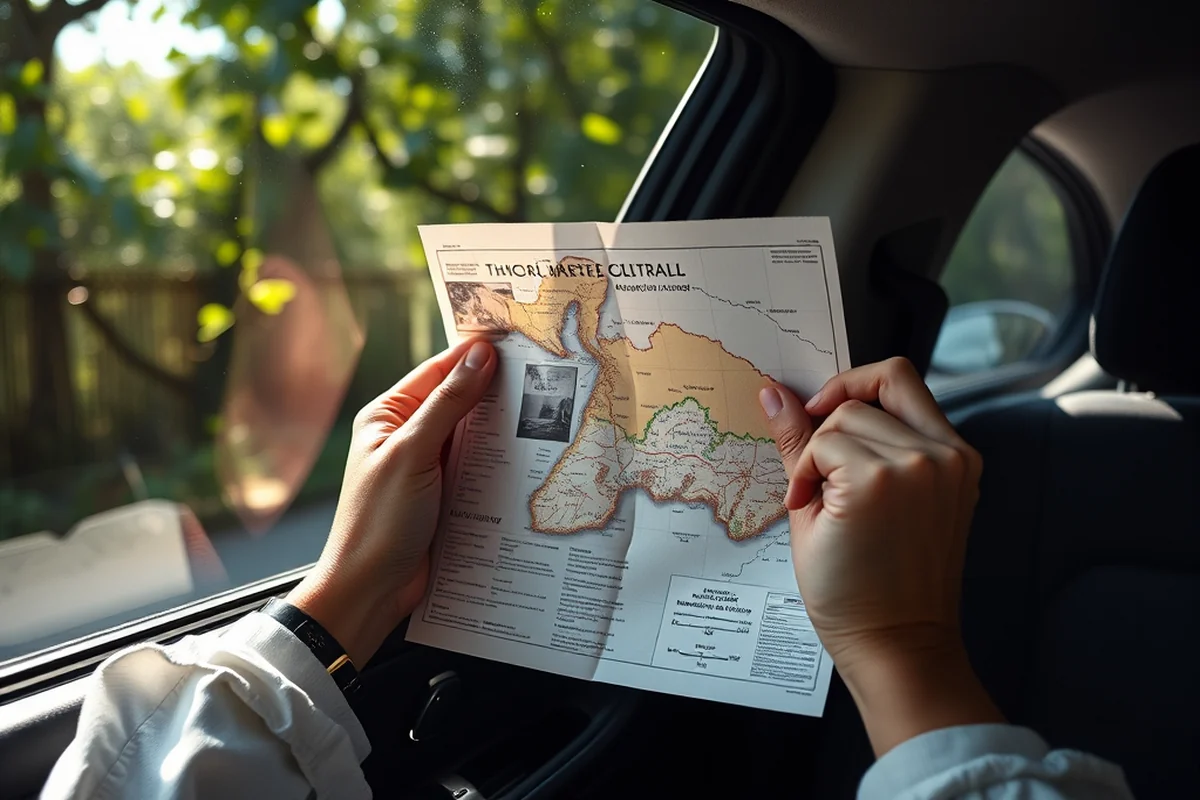
There's nothing quite like standing in a place where thousands of people once lived, worked, and died. At the ancient city of Petra in Jordan, I saw how the Bedouins had adapted to the desert environment, carving homes and temples directly into the rock. This was a living example of how human ingenuity has shaped the landscape.
By visiting archaeological sites, you can see the real-world impact of history. I once walked through the ruins of the Roman city of Pompeii, where the layers of ash from Mount Vesuvius's eruption in 79 CE had preserved everything from the streets to the homes of its residents.
These sites are not just historical landmarks—they are classrooms in the open air, where history comes alive through the very ground you walk on.
History isn’t just in books—it’s under your feet.
Related: Cultural archaeology
Related: Cultural ecology archaeology
Related: Cultural dating archaeology
Related: Cultural sequence in archaeology
Related: Cultural resource management archaeology definition
How to Prepare for Your Journey
Before heading to an archaeological site, I always do a bit of research. This includes learning about the history of the site, the types of artifacts that have been found there, and the cultural context. This knowledge helps you appreciate what you're seeing and why it matters.
Wearing the right gear is also important. I always pack comfortable shoes, a wide-brimmed hat, and sun protection, as many sites can be exposed to the sun for long periods. A notebook and pen are also essential, as you may want to record your observations or sketch what you see.
Finally, it's a good idea to contact the site’s management beforehand to learn about any rules or restrictions. Some sites may require guided tours or have specific times when they are open to the public.
Do your homework before visiting an archaeological site. This not only enhances your experience but also shows respect to the people and history you’re engaging with.
“I still remember the first time I stood in a Neolithic settlement, my fingers brushing against the rough stone of a wall that had stood…”— Cultural Archaeology Travel editors
What to Expect at an Archaeological Site

At some sites, you'll see exposed layers of soil with artifacts just beginning to be uncovered. This gives you a glimpse into the process of excavation and the types of tools used to uncover history. I once visited a site in Greece where archaeologists were carefully sifting through soil, revealing fragments of pottery and tools that had been buried for centuries.
Other sites have been fully restored, with buildings reconstructed to their original appearance. This can give a more immersive experience, allowing you to walk through a reconstructed ancient marketplace or temple, imagining what life was like in that time period.
No matter the condition of the site, each one offers a unique opportunity to connect with the past in a way that no textbook ever could.
The Role of Technology in Archaeology
Lidar technology, for instance, has allowed archaeologists to uncover hidden structures beneath dense jungle canopies. I've seen images of Mayan cities that were completely unknown until this technology was used, revealing entire cities that had been lost to time.
Ground-penetrating radar is another tool that has changed the field of archaeology. It allows researchers to detect buried structures without disturbing the site, giving them a non-invasive way to study the layers of history.
These technologies not only make the process of discovery more efficient but also help preserve the integrity of the sites, ensuring that history is protected for future generations.
How to Engage with Local Communities
Local communities often have a deep connection to the sites they live near, passing down stories and traditions from generation to generation. I once spoke with an elder in a small village in Egypt who told me about the rituals his ancestors performed at the nearby pyramid site, something not written in any historical record.
Many sites also offer opportunities to learn from local guides who can provide a more personal perspective on the history of the place. These guides often have a wealth of knowledge that goes beyond what's in the official tour brochures.
By engaging with local communities, you not only gain a richer understanding of the site but also support the people who live there, ensuring that their traditions and way of life are preserved.
The most valuable stories often come from the people who live beside the past.
Preserving the Past for the Future
Archaeological sites are vulnerable to natural erosion, human activity, and even tourism. I've seen areas where erosion has exposed ancient walls that were once buried, making them more susceptible to damage. In some cases, these sites are protected by barriers or restricted access to prevent further degradation.
Preservation efforts can also involve reburial of sensitive sites, where artifacts are carefully removed and stored in museums or research facilities. This ensures that the sites remain intact while still allowing for study and discovery.
By supporting preservation efforts and following site rules, travelers can help ensure that these historical treasures remain accessible for future generations to explore and learn from.
The Hidden Costs of Cultural Layer Exploration
When visiting sites like Çatalhöyük in Turkey, where layers span 9,000 years, entry fees can range from $15 to $25 per person, with guided tours adding another $50 to $100. These costs often include access to restricted areas, expert commentary, and preservation efforts. Travelers should budget at least 2–3 days for such sites, as the depth of information and the need for walking on uneven terrain demand careful pacing. Local guides, who often charge between $20 and $40 per hour, provide insights that are otherwise inaccessible.
For a more immersive experience, consider participating in a 3-day workshop at the Çatalhöyük Research Project. Such programs, which cost around $400 per participant, offer hands-on experience with stratigraphy mapping and artifact handling. These workshops are limited to 20 participants at a time, ensuring personalized attention and a deeper understanding of the excavation process. Travelers should also factor in accommodation costs, which can be 30–50% higher in regions with high archaeological interest due to increased demand from tourists and researchers.
To minimize environmental impact, many sites enforce strict visitor quotas, such as the 1,200 daily limit at the ancient city of Pompeii. Visitors must book tickets in advance, often through official websites or authorized agencies. This not only helps manage crowds but also funds conservation projects. Travelers who book tickets online can save up to 20% compared to on-site purchases, making advance planning both practical and cost-effective.
💰 Budget Adventure
Discover ancient sites with a focus on affordability and minimal travel costs, ideal for first-time travelers.
✈️ Long Weekend Getaway
A short but immersive trip to a single archaeological site, perfect for those with limited time.
👨👩👧👦 With Kids
A family-friendly itinerary that introduces children to the wonders of history in an engaging and educational way.
🍂 Off-Season Travel
Experience archaeological sites with fewer crowds, lower prices, and a more authentic atmosphere.
💎 Luxury Archaeology
A high-end experience that combines comfort, exclusive access, and expert-led tours of some of the world's most significant archaeological sites.
| The mistake | Why it happens | The fix |
|---|---|---|
| Not researching the site beforehand | Without prior knowledge, you may miss important details or fail to appreciate the significance of what you're seeing. | Take the time to read about the site's history, layers, and any cultural context before your visit. |
| Touching or removing artifacts | This can damage the site and disrupt the integrity of the layers that have been carefully studied and preserved. | Respect the site's rules and never touch or remove any artifacts or structures. |
| Ignoring site rules | Some sites have restrictions for safety and preservation reasons, and ignoring them can lead to fines or even legal consequences. | Always follow the rules and guidelines provided by the site's management. |
| Not protecting the site from the elements | Exposure to the sun, rain, or wind can cause damage to the site and its artifacts over time. | Stay on designated paths and avoid touching or disturbing any part of the site. |
Cultural Layer Archaeology
Common Questions
What should I bring to an archaeological site?
Can I touch the artifacts?
Are there guided tours available?
Is it safe to visit archaeological sites?
Cite this guide
Cultural Archaeology Travel (2026). Cultural Layer Archaeology. https://pastandpath.com/cultural-layer-archaeology/
Feel free to cite or share this guide.
References
- Cultural Layer Research Papers - Academia.edu (academia.edu)
- The Archaeology of the Volcán Barú in highland Chiriquí, Panamá ... (anthropology.columbia.edu)
- Chronological | The Public Archaeology Facility | Binghamton ... (binghamton.edu)
- Why We're Important (depts.ttu.edu)