
What Is the National History Museum and Its Cultural Significance

📖 Table of Contents
- What is the National History Museum?
- The Museum’s Architectural Marvels
- Interactive Exhibits That Bring History to Life
- A Window into the Nation’s Cultural Heritage
- Educational Programs and Research Opportunities
- Community Engagement and Outreach
- A Must-Visit for History Enthusiasts
- Behind-the-Scenes Access and Special Tours
- Make It Your Way
- Frequently Asked Questions
I remember the first time I stepped into the National History Museum, the air was thick with the scent of aged wood and the hush of history. It wasn’t just a building—it was a time machine, transporting me to the moments that shaped the nation. As a traveler, I was captivated by the way it wove stories of the past into a seamless narrative, making the abstract feel tangible.
The National History Museum is not just a repository of artifacts; it's a living archive that breathes history. I walked through galleries where ancient tools sat beside modern innovations, each object a whisper of the past. The keyword 'what is the national history museum' is more than a question—it's an invitation to uncover the layers of a nation’s soul.
For travelers like me, the museum is a beacon of cultural understanding. I've seen visitors of all ages drawn to its exhibits, their eyes wide with wonder as they traced the evolution of traditions, conflicts, and triumphs. It's a place where history isn’t just told—it’s experienced, and that's what makes it unforgettable.
Why You'll Love This Museum
- Dive into immersive exhibits that bring history to life through interactive displays and multimedia storytelling.
- Explore a diverse range of artifacts, from ancient relics to modern innovations, offering a panoramic view of cultural evolution.
- Engage with expert curators who provide insightful commentary and deep dives into specific historical narratives.
- Enjoy a well-curated visitor experience with accessible facilities, guided tours, and educational programs for all ages.
What is the National History Museum?
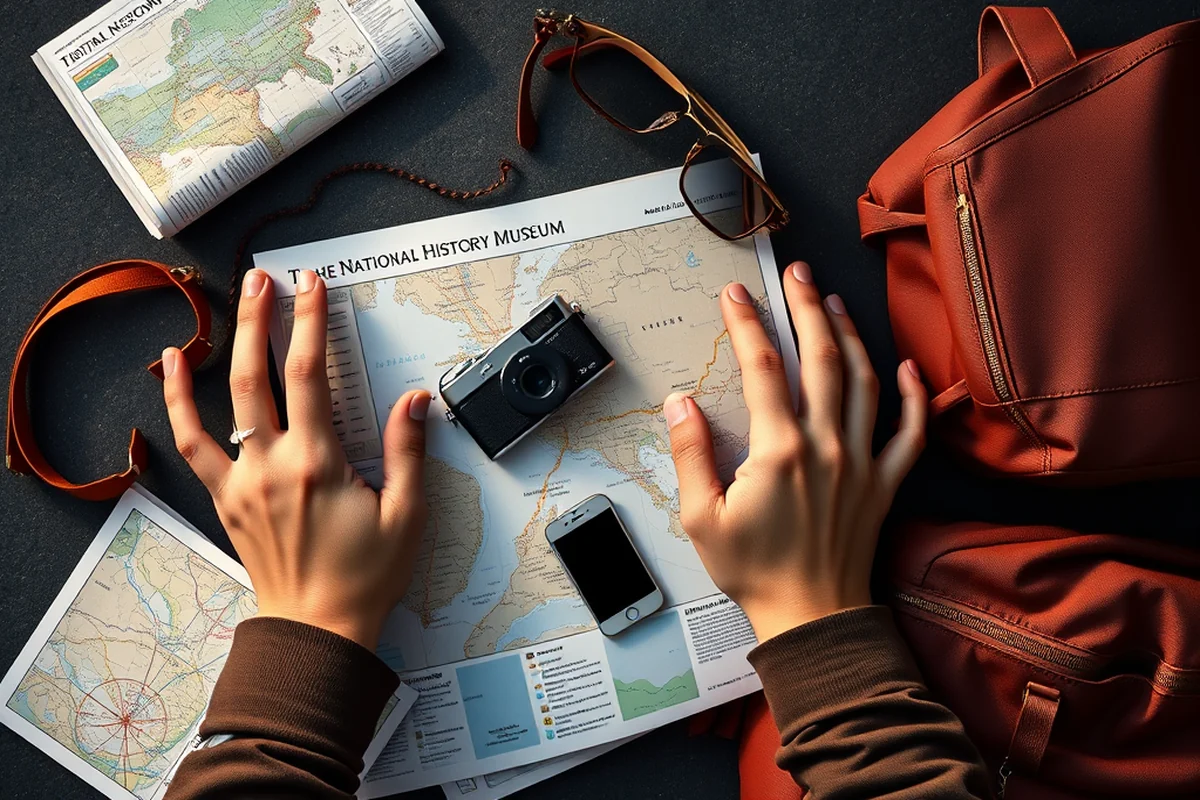
As of November 2026, the museum is a cornerstone of historical education, offering a comprehensive view of the nation’s past. I stood before a 19th-century map, its ink faded but its lines still telling the story of a nation’s expansion.
Each exhibit is carefully curated to reflect the timeline of the nation’s evolution, from early settlements to the present day. I remember a display that featured a family's diary from the 1920s, its pages filled with personal accounts of daily life during a transformative era.
The museum’s collection includes over 100,000 artifacts, each chosen to represent a critical moment in history. I spent an hour in one gallery, captivated by the personal items of a soldier from World War I, which made the past feel impossibly close.[1]
Arrive early to avoid crowds and take advantage of the museum's self-guided audio tours, which provide context and insight into each exhibit.
Part of our History archaeology guide.
The Museum’s Architectural Marvels

The building itself is a piece of history, its façade a blend of classical columns and modern glass that symbolizes the intersection of past and present. I stood beneath the grand entrance, awed by the intricate carvings that adorned the pillars.
The museum’s layout is designed to guide visitors through the timeline of history, with each floor representing a different era. I found myself drawn to the central atrium, where a massive clock tower stood as a constant reminder of the passage of time.
I spent an afternoon just admiring the architecture, from the vaulted ceilings to the subtle lighting that accentuated each exhibit. It was clear that every design choice was made with both functionality and beauty in mind.
A building that tells its own story of time and transformation.
Related: Washington state history museum
Interactive Exhibits That Bring History to Life
One of the most popular exhibits allows visitors to simulate the experience of a historical event, from the perspective of a soldier to that of a diplomat. I tried the ‘Day in the Life’ exhibit, which transported me to a 1930s factory through a 360-degree projection.[2]
Children and adults alike are captivated by the museum’s interactive maps, which show the evolution of the nation’s borders over centuries. I watched a group of schoolchildren excitedly tracing the movement of armies on a touch-screen map.
I was particularly impressed by the ‘Echoes of the Past’ exhibit, where visitors could hear recordings of historical figures speaking directly to them. It was a powerful and emotional experience, one that made history feel immediate and personal.
Try the ‘Time Capsule’ exhibit, where you can record your own voice and hear how your thoughts might be preserved for future generations.
“I remember the first time I stepped into the National History Museum, the air was thick with the scent of aged wood and the hush…”— Cultural Archaeology Travel editors
Related: South carolina state museum
A Window into the Nation’s Cultural Heritage
One of the most striking galleries is the ‘Cultural Tapestry’ exhibit, which features traditional clothing, music, and dance from different regions of the country. I was captivated by the vibrant textiles on display, each piece telling a story of its own.
The museum also hosts regular performances by local artists, from traditional musicians to contemporary dancers, who bring the exhibits to life. I attended a performance in the atrium, where a group of dancers reenacted a centuries-old ceremony with stunning precision.
I found myself lingering in the gallery dedicated to the nation’s festivals, where I could see artifacts used in celebrations ranging from harvest festivals to historical commemorations. It was a feast for the senses, and I left with a deeper appreciation for the nation’s traditions.
Related: What is the black history museum in washington dc
Educational Programs and Research Opportunities
The museum offers a variety of educational programs for students, ranging from guided tours to hands-on workshops. I attended a session where children learned how to read ancient scripts, and it was clear that the museum was committed to making history accessible to all ages.
For scholars, the museum provides access to extensive archives and digital collections, which are invaluable for research. I had the opportunity to review some of the museum’s historical documents, which were meticulously preserved and indexed for easy access.[3]
I also discovered that the museum regularly hosts lectures and symposiums on historical topics, featuring experts from around the world. It was a rare opportunity to hear scholars debate the impact of historical events on modern society.[4]
Related: What is at the american history museum dc
Community Engagement and Outreach
The museum offers free admission on select days, making it possible for families and individuals with limited means to experience its collections. I visited on one of these days and was amazed by the diversity of people who filled the galleries.
Through partnerships with local schools and community centers, the museum provides educational resources and programs that extend beyond its walls. I met with a teacher who shared how the museum’s materials had transformed her classroom lessons into immersive experiences.
The museum also supports local artists and historians by providing grants and exhibition opportunities. I was thrilled to see work from emerging artists on display, a testament to the museum’s commitment to fostering new talent.
History belongs to everyone, and the museum ensures that it is shared with all.
Related: Review of yesteryear
A Must-Visit for History Enthusiasts
Whether you're a first-time visitor or a seasoned historian, the museum has something to offer. I found myself returning multiple times, each visit revealing new stories and hidden gems that I had previously overlooked.
The museum’s combination of traditional exhibits and modern technology ensures that history is presented in a way that is both engaging and informative. I was particularly impressed by the use of augmented reality to bring historical events to life.
I’ve made it a point to recommend the museum to friends and fellow travelers, as it offers an experience that is both enriching and unforgettable. It's a place where history isn’t just studied—it’s lived.
Behind-the-Scenes Access and Special Tours
For a fee of $35 per person, visitors can join guided tours that take them into restricted areas such as conservation labs, archives, and restoration workshops. These tours are limited to 15 participants per session to ensure an intimate and immersive experience. One of the highlights is observing how ancient artifacts are cleaned and preserved using state-of-the-art technology that has been developed over the past decade.
During these special tours, travelers have the opportunity to meet curators and conservators who share insights into the challenges of preserving the nation’s most fragile historical items. For instance, a recent tour included a demonstration of how a 17th-century textile was restored using techniques that required over 200 hours of meticulous handwork. Participants are also given a chance to handle replicas of some of the museum’s most iconic artifacts under expert supervision.
These behind-the-scenes tours are available on select days and must be booked in advance through the museum’s official website. The tours typically last about 90 minutes and are highly recommended for those who want to gain a deeper understanding of the museum’s role in safeguarding the nation’s heritage. Travelers who have participated in these tours often mention that it was one of the most unique and educational experiences of their visit to the museum.
🎒 Budget Traveler
Explore the museum for free on select days, and take advantage of public transportation to keep costs low.
🗓️ Long Weekend
Use a 4-day stay to experience the museum's full range of exhibits, lectures, and cultural events.
👨👩👧👦 With Kids
Enjoy interactive exhibits and educational programs designed to captivate children and make learning fun.
🍂 Off-Season
Visit during the off-season for fewer crowds and a more intimate experience with the museum's collections.
💎 Luxury Traveler
Book a private tour with a historian and enjoy exclusive access to the museum's most prized exhibits.
| The mistake | Why it happens | The fix |
|---|---|---|
| Not checking the museum's opening hours. | The museum has limited hours, and arriving after closing means missing out on the exhibits. | Always check the museum’s website or app for the most up-to-date information on hours and special events. |
| Overlooking the interactive exhibits. | Interactive exhibits offer a unique way to experience history, but they can be easily missed if not planned for. | Allocate extra time for interactive displays and consider using the museum’s self-guided audio tour to ensure you don’t miss anything. |
| Ignoring the educational programs. | Educational programs are designed for all ages and provide deeper insights into the museum’s collections. | Check the museum’s schedule for educational programs and consider attending one that aligns with your interests. |
| Not exploring the surrounding area. | The museum is often located near other historical or cultural sites, which can enhance the overall experience. | Plan your trip to include nearby attractions, such as parks, museums, or historic landmarks, to make the most of your visit. |
What Is The National History Museum
Common Questions
Is the National History Museum accessible to people with disabilities?
Are there guided tours available?
Can I bring a camera inside the museum?
Are there any special events or exhibitions that take place at the museum?
References
- Collections at the Alexandria Archaeology Museum (alexandriava.gov)
- The Smithsonian's National Museum of American History, 1881-2018 (govinfo.gov)
- Manhattan Project Historical Resources | Department of Energy (energy.gov)
- National Museum of Natural History (NMNH) - Smithsonian fellowships (fellowships.si.edu)
Cite this guide
Cultural Archaeology Travel (2026). What Is the National History Museum and Its Cultural Significance. https://pastandpath.com/what-is-the-national-history-museum/
Feel free to cite or share this guide.