
World War Ii Museum New Orleans

📖 Table of Contents
- What Makes This Museum Unique
- A Journey Through the European Theater
- The Pacific Theater: A Different Kind of War
- The Museum’s Educational Programs
- The Role of Technology in Preserving History
- A Must-See for History Enthusiasts
- The Impact of the Museum on Visitors
- Make It Your Way
- Frequently Asked Questions
I remember the first time I stepped into the World War II Museum in New Orleans. The air was thick with the weight of history, and every exhibit told a story that felt both personal and universal. The museum’s location on the banks of the Mississippi River made the experience even more powerful, as if the river itself was whispering the tales of the past. I had visited many museums before, but this one stood out for the way it made history feel alive.[2]
The World War II Museum in New Orleans is more than just a place to see artifacts and memorabilia; it's an immersive journey into one of the most defining periods in human history. From the moment you enter, you're surrounded by the sights, sounds, and stories of the war that shaped the modern world. It's a place where history doesn't just sit behind glass—it moves, speaks, and connects with you on a deeply personal level.[3]
What makes this museum special is not only its incredible collection but also the way it’s designed to engage visitors. I spent hours walking through the exhibits, from the European Theater to the Pacific Theater, each one more compelling than the last. Whether you're a history buff or a casual traveler, the World War II Museum in New Orleans offers something unforgettable, something that stays with you long after you leave.[4]
Why You'll Love This Museum Visit
- Experience history through immersive and interactive exhibits that bring the past to life.
- Walk through the largest collection of WWII artifacts in the world, including uniforms, vehicles, and personal items.
- Enjoy a museum that blends storytelling with technology to create an unforgettable educational experience.
- Explore a space that honors the sacrifices of millions, making the experience deeply moving and respectful.
What Makes This Museum Unique
As of November 2026, Unlike many traditional museums, this one uses a narrative-driven approach that guides visitors through the war's major events and personal stories of soldiers and civilians alike. I found myself emotionally moved by the personal accounts of those who lived through the war, from letters and photographs to audio recordings that brought the past to life.
One of the most striking features of the museum is its use of technology to enhance the storytelling. Interactive screens, touchpoints, and immersive environments like the 'B-17 Flying Fortress' and the 'Normandy Beach' exhibit allow visitors to experience the war in a way that textbooks never could.[1]
The museum also features a variety of artifacts, including tanks, airplanes, and personal items from soldiers. I remember standing in front of the 'USS Arizona' memorial and feeling a profound sense of respect for the sacrifice made by those who served. It’s an experience that stays with you long after the visit.
Check the museum’s website for exhibition schedules and special events to make the most of your visit. Some exhibits may have limited availability or require advance booking.
Part of our History archaeology guide.
A Journey Through the European Theater
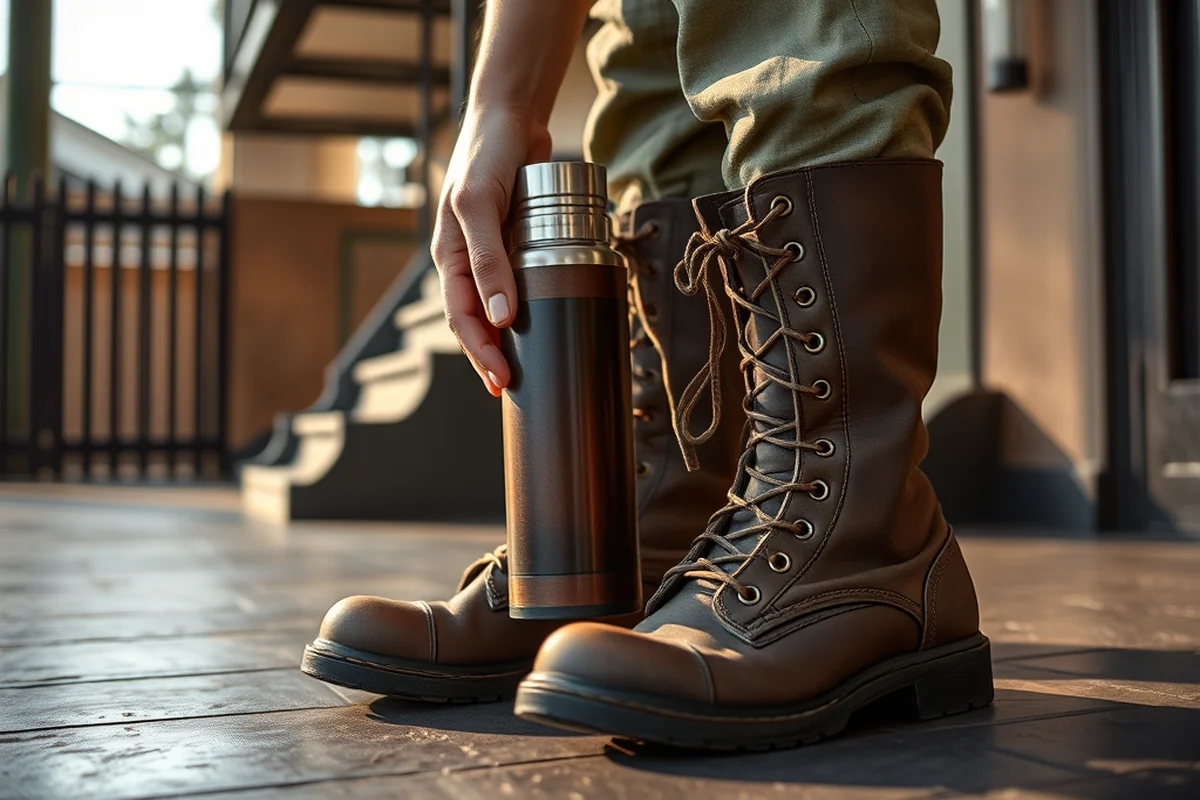
As I walked through the European Theater exhibit, I was struck by the scale and detail of the displays. From the D-Day landings to the liberation of concentration camps, the exhibit is a powerful reminder of the war's brutality and the courage of those who fought.
The exhibit includes a life-sized recreation of a German Stuka dive bomber, complete with the sound of its engines and the sights of its cockpit. Standing in the cockpit, I could almost feel the tension of the pilot as he prepared for battle. It's an experience that transports you to the heart of the action.
The museum also includes a section on the Holocaust, with personal stories from survivors and detailed accounts of the events that took place. It's a somber but necessary part of the exhibit that reminds us of the horrors of war and the importance of remembering.
Every exhibit is a window into the past, and the European Theater is no exception.
Related: Culture history theory archaeology
The Pacific Theater: A Different Kind of War
The Pacific Theater exhibit is a stark contrast to the European Theater, focusing on the brutal battles fought in the Pacific islands. I remember standing in front of a replica of a Japanese Zero fighter plane and feeling the weight of the war's impact on both sides.
The exhibit includes interactive maps that show the movement of troops and the progression of the war in the Pacific. I found myself spending a lot of time at the interactive touchscreen that displayed the locations of major battles, from Midway to Iwo Jima.
One of the most powerful parts of the exhibit is the 'Pacific Crucible' section, which details the experiences of American and Japanese soldiers. The personal accounts of soldiers who fought in the Pacific were deeply moving. The exhibits make it clear that this was a different kind of war—one of islands, naval battles, and a relentless fight for survival.
Don’t miss the interactive displays that allow you to explore the maps, timelines, and personal accounts of soldiers from both sides of the war. These are some of the most engaging parts of the museum.
“I remember the first time I stepped into the World War II Museum in New Orleans.”— Cultural Archaeology Travel editors
Related: Time traveling archaeologist
The Museum’s Educational Programs

The museum has a wide range of educational programs, from guided tours for school groups to special programs for children. I watched a group of young students participating in a program that allowed them to experience what it was like to be a soldier during the war. It was both educational and engaging for the children.
The museum also offers special events, such as lectures by historians and reenactments that bring the past to life. I attended a lecture on the Battle of the Bulge, which was both informative and thought-provoking. The speaker had a deep knowledge of the subject and was able to make the events of the war feel very real.
For families, the museum provides a variety of programs that are both fun and educational. I saw a group of kids participating in a scavenger hunt that took them through the exhibits, learning about the war in a way that was both interactive and engaging.
Related: Tourism archaeology and museum department internship
The Role of Technology in Preserving History
One of the most impressive aspects of the museum is its use of technology to bring history to life. From virtual reality experiences to motion-sensor exhibits, the museum uses technology to create an immersive environment that makes history feel more accessible.
I remember walking through a section of the museum that used augmented reality to recreate the experience of a soldier in the field. The technology allowed me to see the battlefield as if I were there, hearing the sounds of gunfire and feeling the tension of the moment.
The museum also uses digital archives to store and preserve historical documents, photographs, and personal accounts. This ensures that the stories of those who lived through the war are not forgotten and can be shared with future generations.
Related: Archaeology culture history
A Must-See for History Enthusiasts
Whether you're a history enthusiast or just passing through New Orleans, the World War II Museum is a must-visit. The exhibits are well-organized, informative, and engaging, making it an unforgettable experience.
I spent hours walking through the exhibits, reading the stories of soldiers and civilians, and listening to the audio recordings of those who lived through the war. The museum made me feel like I was part of the story, not just an observer.
The museum also has a gift shop with a wide range of books, memorabilia, and other items that are perfect for those who want to take a piece of history home with them.
History is not just about the past—it’s about the stories that shape our future.
Related: Indian heritage description
The Impact of the Museum on Visitors
I spoke with several visitors after my tour, and many of them mentioned how the museum had changed their perspective on the war. One visitor said that the museum made the war feel more personal, helping them understand the sacrifices made by soldiers and civilians alike.
The museum has a profound impact on visitors, especially those who have family members who served in the war. I met a man who had a relative who was a soldier in the Pacific Theater. He said the museum helped him connect with his family's history in a way he never had before.
Many visitors also take away a renewed sense of gratitude for the sacrifices made during the war. The museum makes it clear that the war was not just a series of events but a time of immense suffering and courage that shaped the world we live in today.
💰 Budget Traveler
Explore the World War II Museum on a budget with free passes, discounted entry, and nearby attractions that are affordable.
🗓️ Long Weekend
Plan a long weekend in New Orleans that includes the museum, a visit to the French Quarter, and a relaxing day on the Mississippi River.
👨👧👦 With Kids
Bring the kids for a family-friendly visit that includes interactive exhibits, educational programs, and fun activities that are both engaging and informative.
🍂 Off-Season
Visit the museum during the off-season for a more relaxed experience, lower prices, and fewer crowds.
💎 Luxury Traveler
Indulge in a luxury trip that includes a private tour of the museum, a stay at a five-star hotel, and a gourmet meal in the French Quarter.
| The mistake | Why it happens | The fix |
|---|---|---|
| Not checking the museum’s accessibility options before visiting. | Visitors with disabilities may not be aware of the museum’s accessibility features, which can make the experience more enjoyable for them. | Review the museum’s accessibility information before your visit to ensure that you can fully enjoy the exhibits and programs available. |
| Trying to see everything in one day without planning. | The museum is large and has a lot to see, and trying to take it all in at once can be overwhelming and exhausting. | Plan your visit in advance, and consider focusing on one or two exhibits each day to ensure a more enjoyable and manageable experience. |
World War Ii Museum New Orleans
Common Questions
What is the best time to visit the World War II Museum?
Is the museum accessible for people with disabilities?
Are there any special events at the museum?
Can I take photos inside the museum?
References
- Experience the Victory: New Orleans | The Association of Rice Alumni (alumni.rice.edu)
- Other Helpful Web Sites | National Archives (archives.gov)
- Behind the Scenes: “Our War Too: Women in Service” (blogs.chapman.edu)
- June 2024: 80th Anniversary of Operation Overlord (D-Day) (census.gov)
Cite this guide
Cultural Archaeology Travel (2026). World War Ii Museum New Orleans. https://pastandpath.com/world-war-ii-museum-new-orleans/
Feel free to cite or share this guide.