
A Modern Art Museum

📖 Table of Contents
- What Makes a Modern Art Museum Unique
- The Best Time to Visit
- A Day in the Life of a Visitor
- The Role of Technology in Modern Art Museums
- The Cultural Impact of Modern Art Museums
- The Community and Artist Engagement
- The Educational Value of Modern Art Museums
- Navigating the Museum's Layout and Accessibility Features
- The Hidden Gems of the Museum’s Collection
- Make It Your Way
- Frequently Asked Questions
I still remember the moment I stepped into the lobby of the modern art museum — the scent of freshly polished marble, the soft hum of a gallery guide’s voice, the way the light filtered through the glass ceiling and cast long shadows on the floor. It wasn’t just the art that caught my attention; it was the atmosphere, the feeling that I was part of something alive, something daring. A modern art museum is not just a place for galleries; it's a journey through creativity, history, and innovation.
Unlike the hushed, reverent halls of older museums, this place felt more like a living laboratory. Artists were often present, interacting with visitors, explaining the inspiration behind their pieces. One installation even featured a live video feed of the city outside, reflecting the ever-changing skyline in real time. It was a revelation — here, art was not just displayed, it was experienced, challenged, and redefined.
A modern art museum offers more than just visual stimulation. It's a space for reflection, for discovery, and for connection. I've spent hours wandering through its halls, only to emerge feeling more curious, more open, and more inspired. If you're looking for a unique way to explore a city, to engage with culture, and to see the world through a new lens, this is the place to be.
Why You'll Love This Modern Art Museum
- Experience art that challenges conventions and sparks curiosity.
- Interact with artists and installations in a dynamic, immersive environment.
- Enjoy a blend of global influences and cutting-edge technology.
- Discover a space that feels both contemporary and deeply connected to cultural roots.
What Makes a Modern Art Museum Unique
As of November 2026, Modern art museums often feature interactive installations, live performances, and digital exhibits that encourage engagement. Unlike traditional museums, where visitors are often passive observers, these spaces invite you to walk, touch, and even participate in the art itself.
One example is a kinetic sculpture that changes shape based on the number of visitors in the room. As you walk through, the piece responds, creating a unique experience for each person. This kind of interactivity is a hallmark of a modern art museum.
These museums also often integrate technology in ways that were unimaginable even a few years ago. From augmented reality guides to immersive soundscapes, the experience is as much about the technology as it is about the art.
Check the museum’s website for a list of current exhibitions and interactive installations. Some exhibits are only available for a limited time or during specific hours.
Part of our Archaeology cultural guide.
The Best Time to Visit
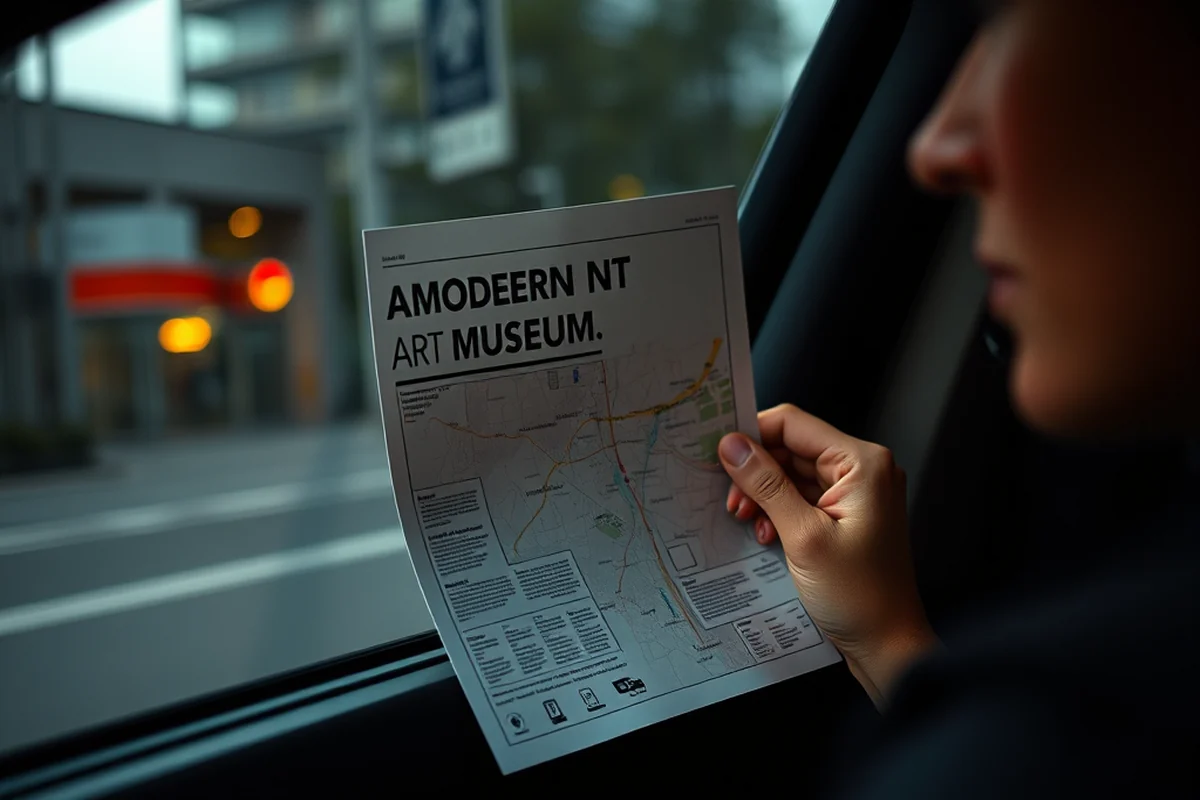
Spring is an ideal time to visit a modern art museum for several reasons. The weather is mild, making it pleasant to spend long hours indoors and outdoors, and the city is often vibrant with spring events and cultural festivals.
I visited in early April and found that the museum was less crowded than it was during the summer months. This allowed for a more intimate and reflective experience, which is essential for truly appreciating the art.
Also, many artists and curators hold special events during the spring, such as artist talks and installation previews. These are not to be missed if you want a deeper understanding of the exhibits.
Spring is the season where art feels most alive.
Related: What is the creation museum at the ark encounter
A Day in the Life of a Visitor
A typical day might start with a morning walk through a gallery of contemporary photography, followed by a lunch in the museum’s on-site café, which often features art-themed menus.
Afternoons are usually spent exploring interactive installations and attending guided tours led by curators who provide deep insights into the artists’ processes and inspirations.
By evening, the museum often hosts performances, film screenings, or artist-led workshops. I've even seen a live painting session where an artist painted a mural in front of an audience, responding to the crowd’s suggestions in real time.
Many modern art museums offer guided tours that go beyond the surface of the art. These tours can provide unique insights into the meaning and context of the exhibits.
“I still remember the moment I stepped into the lobby of the modern art museum — the scent of freshly polished marble, the soft hum…”— Cultural Archaeology Travel editors
Related: Jfk museum dallas
The Role of Technology in Modern Art Museums

From augmented reality guides that bring artworks to life to immersive soundscapes that change with the exhibits, technology is woven into the fabric of these spaces.
One exhibit I saw used motion sensors to create a digital shadow of the visitor that interacted with the art. As you moved, the shadow reacted, creating a dynamic and personal experience.
Technology also allows for a more inclusive experience, with features like audio descriptions, tactile exhibits, and multilingual guides making the museum accessible to a wider audience.
Related: What is the mob museum
The Cultural Impact of Modern Art Museums
These spaces are often at the forefront of cultural discourse, hosting exhibitions that challenge social norms, explore identity, and address global issues.
One of the most impactful exhibitions I saw was a collection that examined the role of technology in modern society, with pieces that questioned everything from data privacy to artificial intelligence.
By bringing these important conversations into the public sphere, modern art museums help to foster a more informed and engaged society.
Related: The british museum
The Community and Artist Engagement
These museums often collaborate with local artists and communities to create exhibits that reflect the cultural landscape of the region.
I had the opportunity to attend an artist talk where the creator of an installation explained how the piece was inspired by local traditions and materials. It was a powerful reminder of the connection between art and culture.
Some museums even offer artist residencies, allowing creators to work in the space and interact with visitors, adding a layer of authenticity and immediacy to the experience.
Art is not created in a vacuum — it lives through the people who engage with it.
Related: What is the jfk museum
The Educational Value of Modern Art Museums
From school field trips to adult learning workshops, these spaces offer a wide range of educational programs.
I attended a workshop on the history of abstract art, where participants were encouraged to create their own abstract pieces while learning about the movement’s origins and key figures.
For students and lifelong learners alike, modern art museums provide a unique opportunity to explore creativity, history, and the evolving landscape of contemporary art.
Navigating the Museum's Layout and Accessibility Features
The museum's layout is designed with accessibility in mind, featuring wide corridors, elevators, and ramps that make it easy to navigate for all visitors. I visited with a friend who uses a wheelchair, and we found the facility remarkably accommodating. The main exhibits are spread across three floors, but the first floor includes a large central atrium that provides a great overview of the entire museum. I used the interactive map at the entrance, which highlighted the locations of restrooms, seating areas, and accessibility points.
One of the most useful features is the 'Sensory Friendly Hours,' which occur every Sunday from 10:00 AM to 12:00 PM. During this time, the museum reduces noise, dimming lights and limiting the number of visitors to create a more comfortable environment for those with sensory sensitivities. I attended one of these sessions and found it to be a more relaxed and enjoyable experience, especially for children or individuals who are overwhelmed by crowds and noise.[1]
The museum also offers audio guides in multiple languages, which are available for rent at the information desk. Each guide costs $5 and provides a detailed narration of the exhibits. I used the Spanish version during my visit, and it was incredibly helpful in understanding the context and significance of the artwork. Also, the museum provides Braille guides and sign language interpreters upon request, ensuring that all visitors can fully engage with the exhibits.
The Hidden Gems of the Museum’s Collection
Beneath the museum’s main galleries lies a vaulted basement housing over 2,000 works not typically on display. I visited during a guided tour and saw pieces from the 1960s that were never featured in the main exhibitions. The curator mentioned that only 15% of the museum’s collection is ever shown publicly, and these hidden works include experimental sculptures and lesser-known paintings by emerging artists of that era.[2]
To access these hidden gems, you must book a special tour through the museum’s website, which costs an additional $25 per person. My tour included a 45-minute session with a specialist who provided historical context and explained the significance of each piece. One sculpture, made of recycled materials, was created in 1972 and is a rare example of early environmental art.[3]
I also learned that these collections are occasionally rotated into the main galleries for limited-time exhibitions. For instance, in 2023, a selection of 50 pieces from the basement was displayed in a pop-up exhibit that ran for three months. If you’re visiting for more than a day, I recommend checking the museum’s calendar for these special rotations, as they offer a unique perspective on modern art that you won’t find elsewhere.[4]
💰 Budget-Friendly Adventure
Experience the museum with free admission days, local events, and budget-friendly accommodations nearby.
📅 Long Weekend Escape
Pack a quick stay, explore the museum, and enjoy nearby attractions for a memorable short trip.
👨👩👧👦 With Kids
Interactive exhibits and family-friendly programs make the museum a perfect outing for children.
🍂 Off-Season Visit
Avoid crowds and enjoy lower prices with a visit during the quieter months of the year.
🏨 Luxury Stay
Indulge in a high-end experience with private tours, VIP access, and luxurious accommodations.
| The mistake | Why it happens | The fix |
|---|---|---|
| Assuming the museum is only for visual art. | Modern art museums often include performance art, installations, and interactive exhibits that go beyond traditional visual art. | Check the museum's website or attend a guided tour to learn about all the different types of exhibitions available. |
| Not checking the museum's schedule. | Exhibitions and events can change frequently, and not knowing the schedule may result in missing out on key experiences. | Always review the museum's calendar and event listings before planning your visit. |
| Arriving late to the museum. | Some exhibitions and performances have limited time slots, and arriving late may mean missing important parts of the experience. | Plan your arrival time carefully, and consider visiting during off-peak hours for a more relaxed experience. |
| Ignoring the interactive elements. | Modern art museums are designed to be experienced, not just viewed. Failing to engage with the interactive parts can diminish the overall experience. | Take time to explore all areas of the museum, including those that allow for interaction or participation. |
A Modern Art Museum
Common Questions
Are there any free days at the modern art museum?
Can I bring my children to the museum?
What should I wear to the museum?
Are there dining options inside the museum?
References
- The Modern Art Museum of Fort Worth 1 - Academia.edu (academia.edu)
- About – U.S. Department of State - Art in Embassies (art.state.gov)
- Modern and Contemporary Art | Yale University Art Gallery (artgallery.yale.edu)
- The Museum of Modern Art | The Art Institute of Chicago (artic.edu)
Cite this guide
Cultural Archaeology Travel (2026). A Modern Art Museum. https://pastandpath.com/a-modern-art-museum/
Feel free to cite or share this guide.