
Archaeology Trips
📖 Table of Contents
I remember standing in the middle of a Neolithic settlement in the Aegean, the sun setting behind the ruins, the wind carrying the scent of salt from the nearby sea. It was my first archaeology trip, and I didn’t know what to expect. What I did know was that I wanted to touch history with my own hands, not just read about it in books. Archaeology trips are more than just a way to see the past — they’re a chance to walk where ancient people once walked, to feel the weight of history in your fingertips. To see the world through a new lens.
Archaeology trips are not your average vacation. They’re immersive, educational, and often physically demanding — but the rewards are immeasurable. I’ve spent weeks in the deserts of Jordan, digging with a team of archaeologists, and days in the dense forests of Thailand, uncovering artifacts that had been hidden for centuries. These trips are for those who crave more than just sightseeing; they’re for people who want to connect with the past in a way that few ever get the chance to.
If you’re looking for a trip that will challenge you, inspire you, and leave you with memories that last a lifetime, archaeology trips are the way to go. They might not be the most comfortable or the most glamorous, but they offer something far more valuable: a deep, personal connection to the human story. Whether you’re an amateur enthusiast or a seasoned adventurer, there’s a place for you in the world of archaeology.
Why You'll Love This Journey
- A unique, hands-on experience that few people ever get to have.
- The chance to walk in the footsteps of ancient civilizations.
- Opportunities to meet fellow travelers and archaeologists who share your passion.
- A deeper understanding of history that can’t be found in books or museums.
What to Expect on an Archaeology Trip
As of August 2026, Archaeology trips are not about luxury or comfort. They are about discovery, learning, and connecting with history. You’ll be digging with archaeologists, walking through ancient ruins, and even participating in fieldwork. The experience is physical, mental, and emotional — and it’s unlike anything you’ll find on a typical vacation.
One of the most rewarding parts of an archaeology trip is the hands-on work. Whether you’re brushing dirt off a Roman coin or carefully unearthing a Neolithic pottery shard, each moment is a chance to touch history. These experiences are rare and unforgettable, offering a level of engagement that few other travel experiences can match.
Many archaeology trips include expert-led tours, lectures, and workshops. These sessions provide context and insight, helping you understand the significance of the sites you’re visiting. The combination of fieldwork and learning ensures that you leave with a deeper appreciation of the past.[1]
Archaeology trips can be physically demanding. Be prepared for long days in the sun, digging, and walking. Bring appropriate clothing, sun protection, and comfortable shoes.
The Best Time to Go
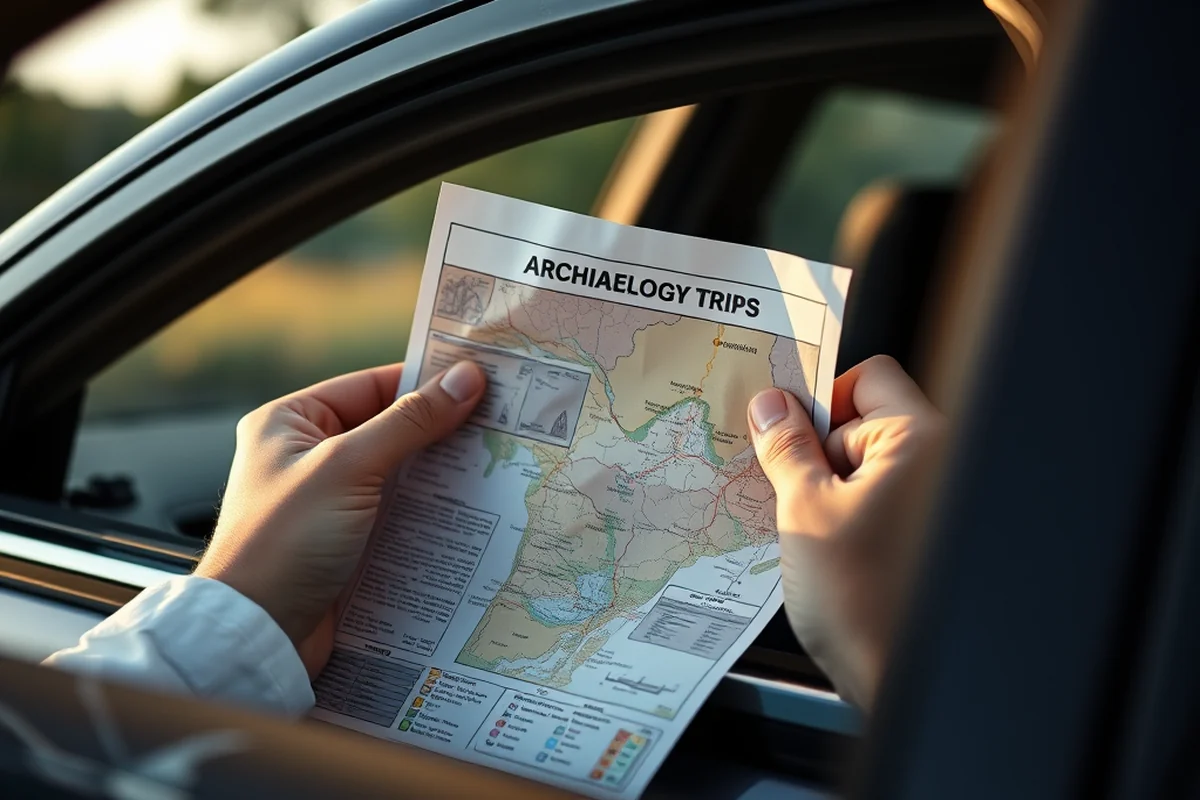
Spring and early autumn are the best seasons for archaeology trips. The weather is generally cooler, with less sun and rain, making it more comfortable for walking, digging, and exploring. This is also a time when many excavation sites are most active, and you’ll have the chance to participate in ongoing research.[2]
In the summer, temperatures can be extremely high in many excavation sites, making it difficult to work outdoors. Similarly, in the winter, many sites are closed due to heavy rain or snow. By choosing to travel in the spring or early autumn, you’ll be able to fully enjoy the experience without being hindered by the elements.
If you're planning an archaeology trip, consider the local climate and excavation calendar. Some sites operate only during certain seasons, and knowing when they’re open is essential for planning.
Timing is everything. Choose the season that matches the rhythm of the earth.
Related: Tourism archaeology and museums department punjab
Related: Archaeology travel jobs
Related: Archaeology heritage jobs
Related: Archaeologist travel
Related: Tourism archaeology and museum department jobs
Choosing the Right Archaeology Trip
Not all archaeology trips are the same. Some are ideal for beginners, while others require prior experience or a higher level of physical fitness. It’s important to choose a trip that aligns with your goals and interests. Do you want to participate in fieldwork, or are you more interested in learning about history through guided tours and lectures?
Your budget is also a factor. Some trips are more affordable, while others offer luxury accommodations and exclusive access to sites. Be sure to research the options and choose one that fits your needs and expectations.
Lastly, consider the location. Some archaeology trips take place in remote areas, which may be more challenging but also more rewarding. Others are located near cities, offering more amenities and opportunities for rest and exploration.
Look for reviews, testimonials, and details about the itinerary before booking. A well-researched trip can make all the difference in your experience.
“I remember standing in the middle of a Neolithic settlement in the Aegean, the sun setting behind the ruins, the wind carrying the scent of…”— Cultural Archaeology Travel editors
The Benefits of an Archaeology Trip
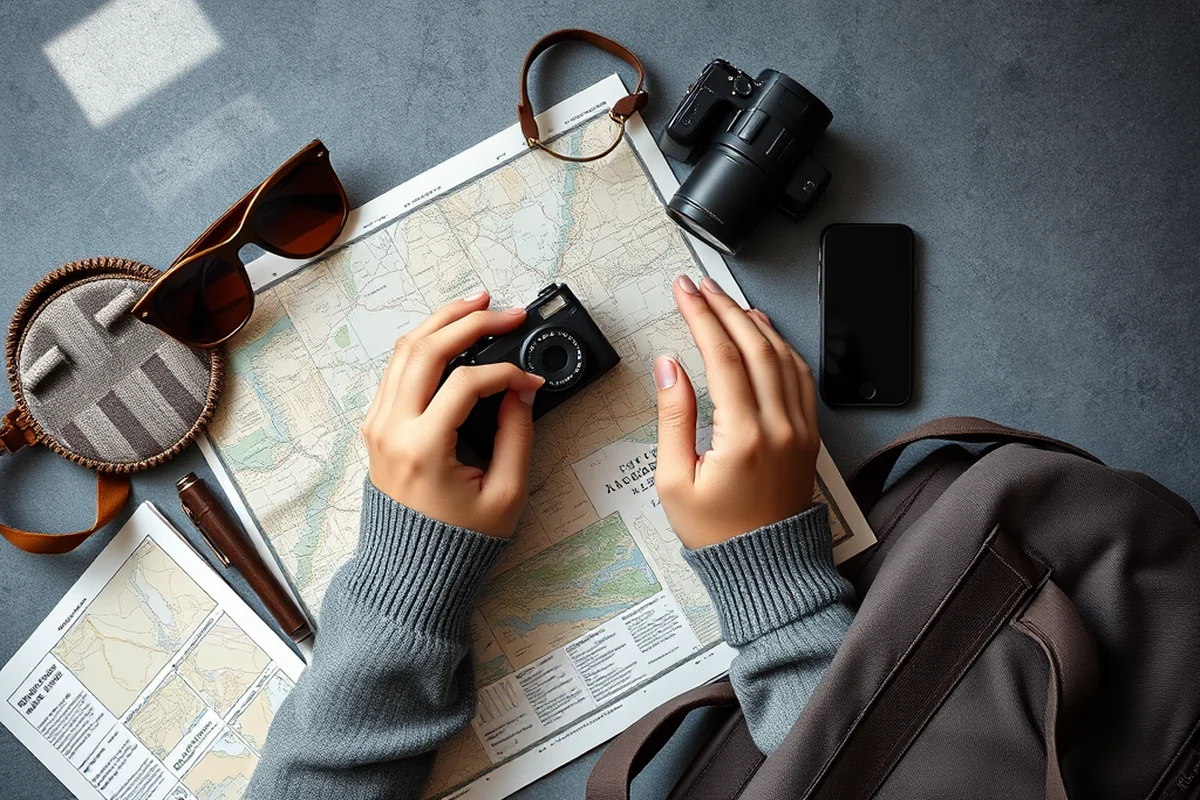
One of the greatest benefits of an archaeology trip is the opportunity to connect with the past in a personal and meaningful way. You’ll not only see ancient ruins, but you’ll also participate in the process of uncovering them, which gives you a deeper understanding of history.
In addition to the historical and cultural insights, archaeology trips can also be a great way to learn new skills. Whether it’s fieldwork techniques, artifact analysis, or excavation methods, these experiences are both educational and hands-on.
Finally, an archaeology trip is a chance to create unforgettable memories. You’ll be surrounded by history, working with experts, and meeting fellow travelers who share your passion. These connections and experiences are something you’ll carry with you for a lifetime.
How to Prepare for an Archaeology Trip
Before your archaeology trip, it’s important to research the site, the itinerary, and the activities involved. This will help you understand what to expect and how to prepare. You should also make sure to bring the right gear, such as comfortable shoes, sun protection, and a backpack for carrying tools and supplies.
Physical fitness is also a key consideration. Many archaeology trips involve walking, digging, and standing for long periods of time. Being physically prepared will help you make the most of the experience and avoid exhaustion or injury.
Lastly, be sure to bring a positive attitude and an open mind. Archaeology trips can be challenging, but they’re also incredibly rewarding. With the right preparation, you’ll be ready to explore the world of history and discovery.
What to Pack for an Archaeology Trip
For an archaeology trip, it’s important to pack items that will help you stay comfortable and protected while working in the field. This includes items like a wide-brimmed hat, sunglasses, sunscreen, and a reusable water bottle. You’ll also need a sturdy pair of shoes, as much of the work involves walking and standing for long periods of time.
You should also bring a backpack to carry your tools, notebook, and any personal items. If you’re staying in a remote location, it’s a good idea to pack extra clothing, a first-aid kit, and a flashlight. These items can make a big difference in your comfort and safety.
Don’t forget to bring a journal and a camera. These will help you document your experiences and preserve the memories of your trip. With the right packing list, you’ll be fully prepared for an unforgettable journey into the past.
Pack wisely — the right gear can turn a good trip into a great one.
The Cultural Impact of Archaeology Trips
One of the most important aspects of an archaeology trip is the opportunity to engage with the local culture. Many trips include visits to nearby towns, villages, or museums, where you can learn about the traditions, history, and way of life of the people who live in the area.
By participating in an archaeology trip, you’re also contributing to the preservation of cultural heritage. These trips often work closely with local communities and organizations to ensure that the sites are protected and respected.
In addition to the historical and cultural insights, archaeology trips can also promote a greater appreciation for the past. By walking through ancient ruins and uncovering artifacts, you gain a deeper understanding of how people lived, worked, and interacted with the world around them.
💰 Budget Archaeology Adventure
Explore ancient sites with minimal cost, focusing on learning and discovery over comfort.
🗓️ Long Weekend Archaeology Getaway
A short but impactful trip that allows you to experience archaeology in a condensed format.
👨👩👧👦 Family-Friendly Archaeology Trip
A trip designed for families, offering educational and fun activities for all ages.
🍂 Off-Season Archaeology Expedition
A unique opportunity to explore sites with fewer crowds and lower prices.
🛏️ Luxury Archaeology Experience
A high-end trip that combines archaeological exploration with comfort and exclusive access.
| The mistake | Why it happens | The fix |
|---|---|---|
| Assuming that all archaeology trips are the same. | Different trips vary in terms of location, activities, and level of involvement. Some are more hands-on, while others focus on learning and exploration. | Research the different types of archaeology trips and choose one that aligns with your interests and expectations. |
| Not preparing physically for the trip. | Archaeology trips can be physically demanding, and not being prepared can lead to exhaustion, injury, or a less enjoyable experience. | Be sure to stay physically active in the weeks leading up to your trip and choose a trip that matches your fitness level. |
| Ignoring the local culture and traditions. | Archaeology trips often involve interaction with local communities, and it’s important to show respect and understanding of their culture and way of life. | Take the time to learn about the local culture and traditions before your trip, and be respectful of the people and places you visit. |
| Not packing the right gear. | Packing the wrong items can make your trip less comfortable and more challenging, especially if you’re working in the field. | Make a checklist of essential items, such as comfortable shoes, sun protection, and a backpack, and be sure to bring them with you. |
Archaeology Trips
Common Questions
Are archaeology trips suitable for beginners?
What is the typical duration of an archaeology trip?
Do I need any prior experience to participate in an archaeology trip?
What kind of activities can I expect on an archaeology trip?
References
- Woodland Chapter: The Archaeology of Kentucky An update Volume 1 (archaeology.ky.gov)
- DOCUMENT RESUME ED 362 424 SO 022 825 AUTHOR ... - ERIC (files.eric.ed.gov)
Cite this guide
Cultural Archaeology Travel (2026). Archaeology Trips. https://pastandpath.com/archaeology-trips/
Feel free to cite or share this guide.