
Cultural Comparisons

📖 Table of Contents
- The Power of Cultural Similarities
- The Surprises in Cultural Differences
- The Value of Cross-Cultural Comparisons
- The Hidden Stories Behind Cultural Similarities
- How to Use Cultural Comparisons in Your Travel
- Expert Tips and Advanced Techniques
- Tools, Materials and Resources
- Tools, Materials and Resources
- Troubleshooting and Common Questions
- Troubleshooting and Common Questions
- Getting Started: Your First Steps
- Make It Your Way
- Frequently Asked Questions
There’s a moment when you arrive at the edge of a new culture, and the world feels both familiar and utterly foreign. It was on a rainy afternoon in Kyoto, Japan, where I stood in the heart of a traditional neighborhood, watching a tea ceremony unfold with a precision that felt like art. The ritual was a window into centuries of tradition, but it also revealed something unexpected: a startling similarity to the hospitality I’d encountered in Moroccan tea ceremonies. That moment of cross-cultural connection — the kind that happens when you slow down and really look — is what this article is about. Cultural comparisons are not just academic exercises; they’re a way to see how the world is both diverse and interconnected.[4]
I’ve spent years traveling the world, from the bustling markets of Marrakech to the quiet temples of Kyoto, and what always surprises me is how often cultures mirror each other in unexpected ways. A shared language of gestures, a similar reverence for food, or even the same type of architecture in different forms — these are the cultural similarities and differences that make travel so rich. They’re not just about what divides us, but what unites us. Understanding these connections can transform your travel experience, making it more meaningful and less about ticking off sights and more about truly engaging with the people and places you visit.[5]
This article is for anyone who wants to see the world not just with their eyes, but with their entire being. Whether you’re an avid traveler or someone just beginning their journey, the insights here will help you handle the complexities of cultural differences and similarities with confidence. By examining specific examples — like the way tea is prepared in Japan and Morocco, or how festivals are celebrated in different corners of the world — you’ll gain a deeper appreciation for the richness of human experience. Cultural comparisons are not just about comparison; they’re about connection, curiosity, and a willingness to learn.
Why You'll Love This Approach to Travel
- Discover hidden similarities that make the unfamiliar feel familiar.
- Gain deeper insights into the cultures you visit through thoughtful comparisons.
- Avoid cultural missteps by understanding the subtle differences that matter.
- Create more meaningful connections with locals by showing genuine curiosity.
The Power of Cultural Similarities
As of August 2026, I was in Marrakech, Morocco, when I first noticed how the preparation of mint tea in North Africa mirrored the tea ceremonies I had seen in Kyoto, Japan. Both cultures use tea as a symbol of hospitality and respect, even though the rituals differ. In Morocco, the tea is brewed in a silver pot and poured from a height to create a frothy top, while in Japan, it’s prepared with a precise technique and served in a small ceramic cup. These similarities, though subtle, made me realize how shared traditions can bring people together across continents.
Understanding these similarities can be a powerful tool for travelers. When I visited a local family in Kyoto, I was surprised to learn that they had once traveled to Morocco and found the same warmth in hospitality. This connection was not just between people, but between cultures. It reminded me that even the most distant places can share common values, like the importance of tea, food, and community.
These moments of cultural resonance are not just about recognition — they’re about building relationships. When you find a common ground, whether it’s in a shared tradition or a mutual understanding, it opens the door to more meaningful interactions. This is the real power of cultural similarities: they can turn a tourist into a participant, and a participant into a friend.
When visiting a new culture, pay attention to the small, everyday practices that might remind you of your own. These similarities are often the most meaningful.
The Surprises in Cultural Differences
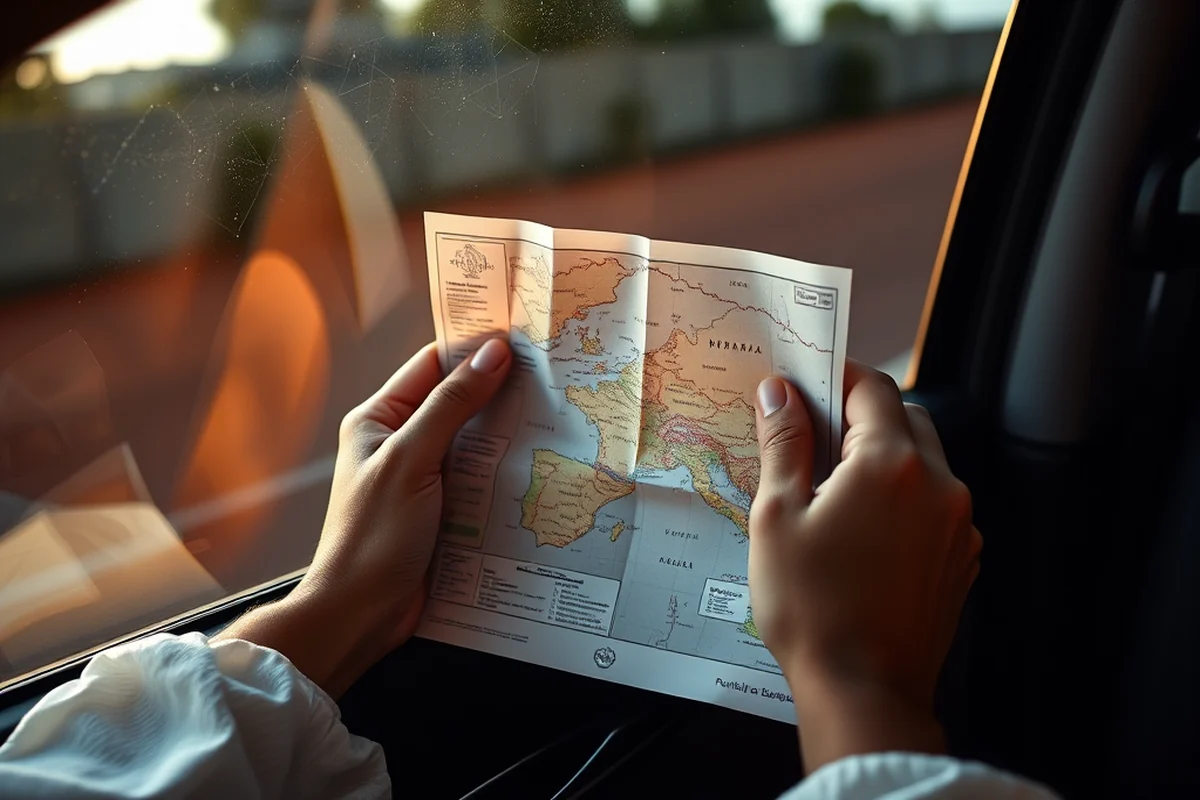
It was in a small village in Tuscany, Italy, that I first realized how deeply cultural differences can shape daily life. The locals had a completely different way of interacting than I was used to — for example, they never made direct eye contact during conversations, which initially made me feel unwelcome. But as I learned more, I understood that this was a sign of respect, not indifference. It was a reminder that what seems strange or even off-putting can actually be a meaningful part of a culture’s identity.
Understanding these differences is not just about avoiding misunderstandings — it’s about deepening your experience. When I visited a local market, I was surprised by how little bargaining was done. In many parts of the world, haggling is an expected part of the shopping experience, but in Tuscany, the locals took pride in offering fair prices. This was a stark contrast to what I had experienced in other parts of Italy and it made me more conscious of the values that shape each region.
These differences are what make travel so enriching. They challenge your assumptions, force you to think differently, and help you appreciate the diversity of human experience. By embracing them, rather than fearing them, you can turn a basic trip into an unforgettable journey.
Cultural differences are not barriers — they're invitations to learn something new.
Related: Tourism Jobs
Related: Cultural Exchange Examples
Related: Cultural Exchange Work
Related: Cultural Tours Australia
Related: Cultural Tours Germany
The Value of Cross-Cultural Comparisons
During a trip to Southeast Asia, I found myself drawing comparisons between the way festivals were celebrated in Thailand and Cambodia. Both countries have vibrant traditions, but the way each community approached the festival was distinct. In Thailand, the celebration was more about music, dance, and color, while in Cambodia, it was more spiritual and deeply rooted in history. These differences helped me understand how geography, history, and religion shape the way people celebrate.
Cross-cultural comparisons are especially valuable when you’re trying to understand the nuances of a place. For example, in Japan, the concept of 'wa' (harmony) is central to many aspects of life, from business to daily interactions. In contrast, in the United States, individualism is often more emphasized. These differences, when examined side by side, can reveal the values that shape each society.
These comparisons are not just academic — they’re practical. By understanding the cultural context of a place, you can navigate it more confidently. Whether it’s learning the unspoken rules of a business meeting or understanding the social norms of a local village, cross-cultural comparisons can help you adapt and connect more effectively.
When making cross-cultural comparisons, focus on the deeper values and practices rather than surface-level differences. This will help you understand the culture more thoroughly.
“There’s a moment when you arrive at the edge of a new culture, and the world feels both familiar and utterly foreign.”— Cultural Archaeology Travel editors
The Hidden Stories Behind Cultural Similarities
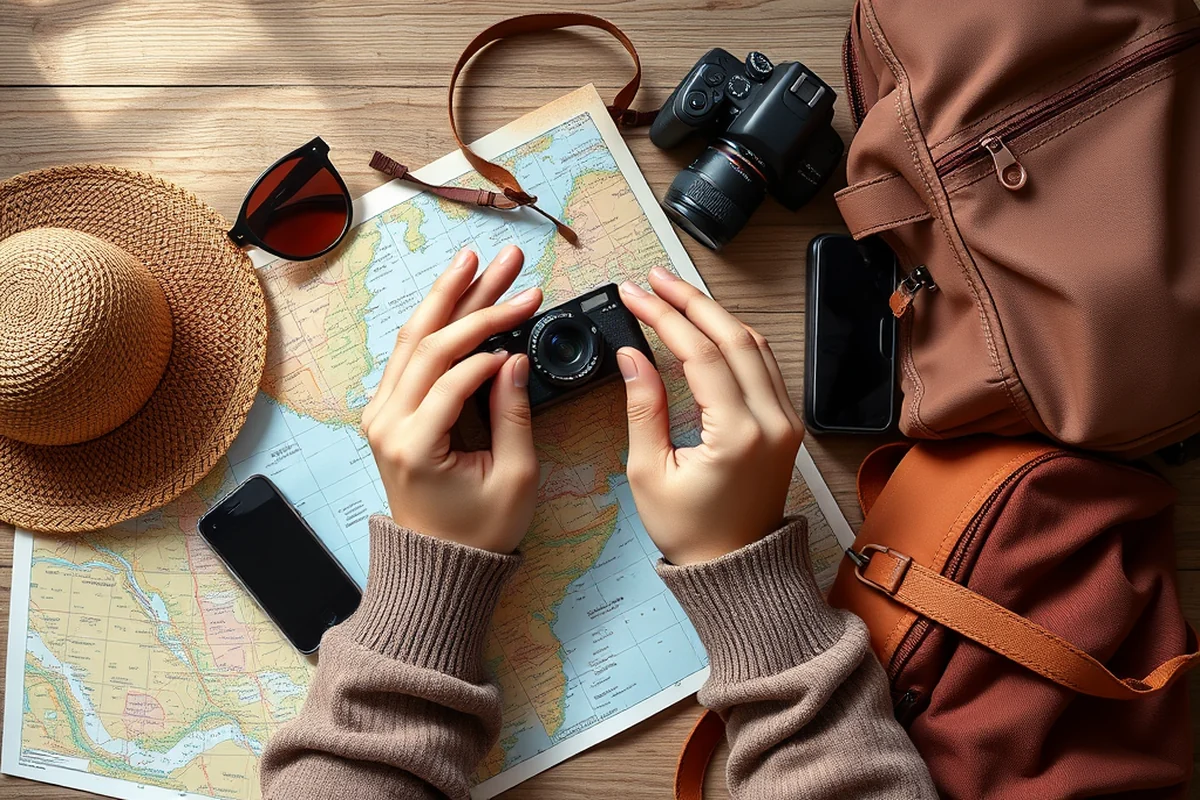
One of the most fascinating discoveries I made was the similarities between the architecture of ancient Greece and the temples of Southeast Asia. While visiting a temple in Angkor Wat, I was struck by how the design echoed the Greek Parthenon. Both structures had similar proportions and a focus on symmetry, which was a revelation. This was not a coincidence — both cultures had a shared appreciation for balance and order, even if they had developed these ideas independently.
These hidden stories behind cultural similarities can be incredibly revealing. For example, the use of calligraphy in Chinese art and the intricate script in Arabic calligraphy both have roots in ancient religious and artistic traditions. They may have evolved differently, but the shared emphasis on beauty and meaning is a clear link.
Understanding these historical connections can transform the way you travel. Instead of viewing cultures as isolated entities, you begin to see them as part of a larger, interconnected human story. This perspective can deepen your appreciation for the places you visit and help you see the world in a more holistic way.
How to Use Cultural Comparisons in Your Travel
One of the most effective ways to use cultural comparisons is by keeping a travel journal. As I traveled through Europe, I noticed how the way people interacted in Spain was more expressive and open compared to the reserved nature of interactions in Germany. Recording these observations helped me understand the differences in social behavior between the two countries.
Another way to use cultural comparisons is by engaging in conversations with locals. I remember a conversation with a fisherman in Greece, where we discussed the similarities between his fishing practices and those of a fisherman in Thailand. Despite the differences in geography, the underlying methods of fishing were remarkably similar, which was both surprising and fascinating.
By actively engaging in these comparisons, you can turn a simple trip into a journey of discovery. Whether you're comparing the way food is prepared in different cultures or the way festivals are celebrated, these insights can make your travel experience more meaningful and enriching.
Expert Tips and Advanced Techniques
To deepen your understanding of cultural comparisons in travel, immerse yourself in local traditions by attending festivals, workshops, or community events. This hands-on approach allows you to experience cultural nuances firsthand, offering insights that books or articles may not capture.
Advanced travelers should also learn basic phrases in the local language, as this fosters respect and opens doors to deeper interactions. Being able to greet locals, ask questions, and express gratitude can transform a surface-level visit into a meaningful cultural exchange.
Another advanced technique is engaging with local guides or historians who can provide context and stories that enrich your understanding. These experts can help you navigate cultural sensitivities and highlight the significance of customs, traditions, and historical landmarks.[1]
Tools, Materials and Resources
Digital tools like travel apps, cultural maps, and translation software are invaluable for comparing cultures on the go. Apps such as Google Translate, TripIt, and CultureTrip can help you navigate language barriers and explore cultural insights in real time.
Physical resources like guidebooks, local newspapers, and curated travel magazines provide a deeper explore cultural narratives. These materials often include historical context, local opinions, and expert commentary that digital tools may omit.[2]
Also, consider using a travel journal or notebook to document observations and reflections. This practice helps you compare cultures more effectively over time and fosters a more personal and reflective travel experience.
Troubleshooting and Common Questions
One of the most common issues travelers face when making cultural comparisons is a lack of awareness about local customs and etiquette. This can lead to unintentional offenses or misunderstandings. Researching and respecting local traditions before arrival can help avoid these situations.
Language barriers can also create challenges during cultural comparisons. While translation tools are helpful, relying solely on them may lead to misinterpretations. Learning a few key phrases and gestures can foster better communication and cultural sensitivity.
Travelers may also struggle with adapting their behavior to different cultural expectations. Being open-minded, asking questions, and observing local interactions can help navigate these differences effectively and respectfully.
Getting Started: Your First Steps
Before traveling to a new culture, spend time researching the destination’s history, traditions, and social norms. This foundational knowledge will help you navigate unfamiliar situations with confidence and respect. Look into books, documentaries, or even online forums where travelers share their experiences.
Packing appropriately for your destination is crucial. Consider both the climate and cultural expectations—for example, dressing modestly in religious sites or wearing comfortable shoes for walking in historic areas. Being prepared can prevent discomfort and show respect to the local community.
Finally, approach your travels with curiosity and an open mind. Engage with locals, ask questions, and be willing to learn. Embracing the differences you encounter can transform a simple trip into a deeply enriching cultural experience.
🧳 Budget Cultural Journey
Explore cultural destinations without breaking the bank. Focus on local experiences, stay in hostels, and use public transportation.
⏳ Long Weekend Cultural Immersion
Pack your itinerary with cultural highlights in a short time. Visit museums, attend local events, and engage with the community.
👨👩👧👦 Cultural Travel with Kids
Choose destinations with family-friendly cultural activities. Look for interactive museums, festivals, and kid-friendly tours.
🍂 Off-Season Cultural Exploration
Visit cultural sites during the off-season for a more authentic experience and lower prices. Enjoy fewer crowds and more local interactions.
💎 Luxury Cultural Experience
Indulge in high-end cultural experiences. Stay in heritage hotels, dine at Michelin-starred restaurants, and enjoy private tours with experts.[3]
| The mistake | Why it happens | The fix |
|---|---|---|
| Assuming all cultures are the same. | This can lead to cultural insensitivity and misunderstandings. Each culture has its own unique practices and values. | Take the time to research and understand the specific culture of the place you're visiting. Avoid generalizations and be open to learning. |
| Ignoring local customs and traditions. | Disrespecting local customs can be seen as offensive and may lead to negative interactions with locals. | Learn about the customs of the place you're visiting before you go. Be respectful and follow local etiquette to avoid unintended offenses. |
| Using cultural comparisons incorrectly. | Drawing incorrect parallels between cultures can be misleading and potentially offensive. | Make sure your comparisons are based on accurate information and avoid making assumptions. Focus on the deeper similarities and differences that are relevant. |
| Not engaging with the local culture. | Passively observing a culture without engaging can limit your understanding and prevent meaningful interactions. | Take the time to interact with locals, attend cultural events, and participate in activities that allow you to connect with the community. |
Cultural Comparisons
Common Questions
How can I learn more about cultural comparisons before I travel?
What are some common cultural similarities I should be aware of?
How can I avoid cultural misunderstandings?
Are there any cultural differences that are especially important for travelers?
References
- Cross-Cultural Analysis - Anthropology - The University of Alabama (anthropology.ua.edu)
- Arts and Culture | U.S. Bureau of Economic Analysis (BEA) (bea.gov)
- Comparing Cultures (berkleycenter.georgetown.edu)
- Tulane vs. Abroad : Comparing Academic Cultures (cge.tulane.edu)
- What's Wrong With Cross-Cultural Comparisons of Subjective Likert ... (culcog.studentorg.berkeley.edu)
Cite this guide
Cultural Archaeology Travel (2026). Cultural Comparisons. https://pastandpath.com/cultural-comparisons/
Feel free to cite or share this guide.