
How To Become A Field Archaeologist
📖 Table of Contents
- Education and Academic Requirements
- Building Field Experience
- Gaining Professional Certifications and Licensing
- Networking and Professional Development
- The Importance of Language Skills and Cultural Competence
- Choosing the Right Fieldwork Locations
- The Role of Technology in Modern Field Archaeology
- Make It Your Way
- Frequently Asked Questions
I remember the first time I stepped into a Neolithic settlement site in Crete, the sun beating down on my back as I knelt beside a pottery shard that had been buried for over 3,000 years. It was a moment that crystallized my love for field archaeology — a profession that blends adventure, history, and science. If you're curious about how to become a field archaeologist, you're not alone. This journey is for those who find joy in uncovering the past through hands-on, immersive fieldwork across the world.
Becoming a field archaeologist isn't just about picking up a trowel and digging; it's a rigorous path that requires academic training, field experience, and a deep passion for understanding human history. Whether you're drawn to the deserts of Jordan or the rainforests of Peru, the skills you'll develop are both intellectually and physically demanding. The rewards, however, are immeasurable — from working with international teams to touching artifacts that date back millennia.[1]
If you're wondering how to become a field archaeologist, start by considering the academic foundation you'll need. A bachelor's degree in archaeology or a related field is the first step, but it's only the beginning. You'll also need to build your field experience, often through internships, volunteer projects, or graduate programs that emphasize hands-on learning. This is a path that demands patience, but the journey is as enriching as the discoveries you'll make along the way.
Why You'll Love This Career
- Travel across the globe to uncover hidden histories
- Work with a diverse, passionate team of professionals
- Make a lasting impact on our understanding of human civilization
- Enjoy the thrill of discovery and the satisfaction of hands-on work
Education and Academic Requirements
As of September 2026, a bachelor's degree in archaeology or anthropology is the standard starting point for anyone wanting to enter this field. Programs often include coursework in history, human evolution, and field methods. I earned my degree from a university with a strong archaeology program, and it was through my coursework that I developed the foundational skills needed for fieldwork.
Beyond the bachelor's degree, many professionals pursue a master's or Ph.D. In archaeology. These advanced degrees are especially important for those who want to lead excavation projects or work in academia. I completed my master's through a program that included several field seasons in various locations across the world.
Even with a degree, field experience is critical. I recommend looking for programs that offer hands-on learning and fieldwork opportunities. Practical experience can be gained through internships, volunteer positions, or even self-organized field projects.[2]
Look for programs that offer fieldwork opportunities in archaeological excavations. Practical experience is just as important as academic knowledge in this field.
Part of our Tourism jobs guide.
Building Field Experience
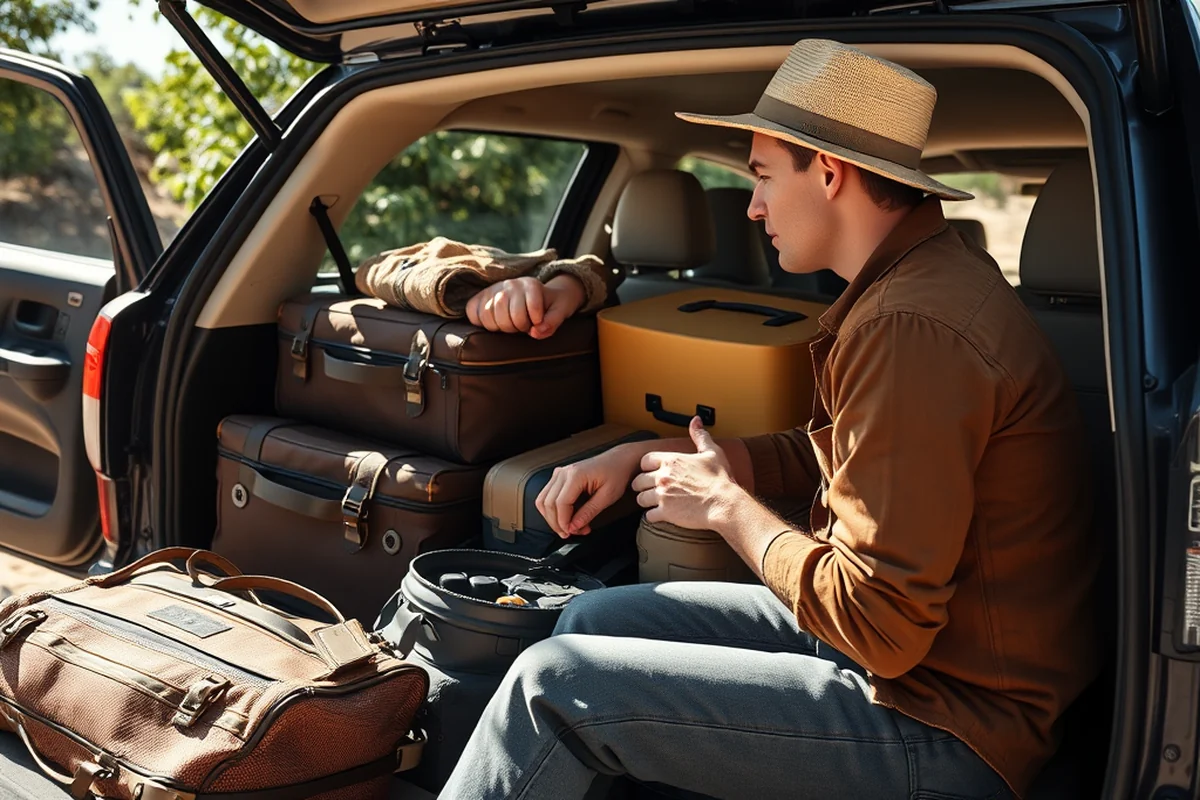
After completing your academic training, the next step is to build field experience. This can be done through internships, volunteer projects, or even self-organized fieldwork. I started by volunteering on a dig site in Italy, where I learned the basics of excavation and documentation.
Fieldwork is the backbone of archaeology. It teaches you how to handle artifacts, record data, and work with a team. Every season I've spent on a dig has improved my skills and increased my chances of landing a professional role.
Many universities offer field schools where students can gain hands-on experience. These programs are a great way to build a network of contacts and demonstrate your commitment to the field.
Fieldwork is where the real learning happens.
Related: Difference between world heritage and cultural heritage
Related: Archaeological tours in rome
Related: Heritage tourism jobs ireland
Gaining Professional Certifications and Licensing
While not always required, professional certifications can significantly boost your career. I obtained my certification through a national archaeological association, which allowed me to work on more complex projects and earn the trust of other professionals.
Certifications often require coursework, exams, and fieldwork. They ensure that you meet the highest standards of practice and ethics in archaeology. My certification process included a field exam where I had to document an excavation site under time constraints.
In some regions, especially in the United States, you may need a license to conduct archaeological work. These licenses can be obtained through state archaeological societies or other regulatory bodies.
Different countries have different regulations for archaeological work. Always check the licensing requirements for your area to avoid legal issues.
“I remember the first time I stepped into a Neolithic settlement site in Crete, the sun beating down on my back as I knelt beside…”— Cultural Archaeology Travel editors
Related: Cultural heritage tourism jobs
Related: Time travel history
Networking and Professional Development

Networking is one of the most important aspects of becoming a field archaeologist. I met many of my colleagues through conferences and workshops, where I was able to learn about new techniques and share my own experiences.
Joining professional organizations, such as the Society for American Archaeology, can provide valuable resources and opportunities. These organizations often offer job listings, training programs, and networking events.
Professional development is an ongoing process. Attending seminars, workshops, and other training events helps you stay current with the latest methods and technologies in archaeology.
The Importance of Language Skills and Cultural Competence
If you're planning to work on international archaeological projects, language skills can be a valuable asset. I learned basic Spanish before working on a site in Mexico, which helped me communicate with local workers and understand the cultural context of the site.
Cultural competence is also important. Understanding the customs, traditions, and histories of the local population can enhance your work and help build positive relationships with the community. I've found that showing respect for local traditions can lead to better collaboration and support for excavation projects.
In some cases, local knowledge can provide invaluable insights into the history and significance of a site. Building relationships with local communities can open doors to new opportunities and deepen your understanding of the work you're doing.
Choosing the Right Fieldwork Locations
Choosing the right fieldwork locations is an important decision that can influence your career path. I've worked on sites in Europe, the Middle East, and South America, each offering unique challenges and opportunities. The choice of location can depend on your interests, the type of sites you want to study, and the availability of funding.[3]
Some locations may offer more resources, such as funding, equipment, and support from local institutions. Others may be more remote, requiring greater self-sufficiency and adaptability. I've found that working in remote locations often provides a more immersive experience and greater independence.
Considering the time of year is also important. I've worked on sites during the spring, when the weather is mild and excavations can begin without the risk of heavy rain. The season can also affect the availability of local workers and the overall conditions of the site.
Where you dig shapes the kind of archaeologist you become.
The Role of Technology in Modern Field Archaeology
Modern field archaeology has been transformed by the use of technology. I've used GPS and GIS mapping systems to document sites with greater precision. These tools allow for the creation of detailed maps and the analysis of spatial data.
Other technologies, such as drones and 3D scanning, have revolutionized the way we record and analyze archaeological sites. Drones can provide aerial views that help identify site boundaries and features that may be difficult to see from the ground.
In addition to mapping, technologies such as ground-penetrating radar and LiDAR are used to detect buried structures without the need for excavation. These tools can save time and resources while minimizing the risk of damaging sensitive sites.
💰 Budget Field Archaeology Trip
Explore archaeological sites in Europe or Central America with minimal costs and maximum learning.
⏳ Long Weekend Archaeology Adventure
Pack for a short trip with a focus on hands-on field experiences in places like Jordan or Cyprus.
👨👧👦 Archaeology with Kids
Bring the whole family to a site with educational programs and interactive experiences for children.
🍂 Off-Season Archaeology Travel
Travel to less-crowded sites in the fall for a unique, immersive experience with fewer tourists.
💎 Luxury Archaeology Travel
Experience high-end archaeological fieldwork with comfortable accommodations and expert guides.
| The mistake | Why it happens | The fix |
|---|---|---|
| Not investing in proper field gear | Wearing the wrong clothing or using the wrong tools can lead to injuries and damage to archaeological sites. | Always invest in proper field gear, including sturdy boots, protective gloves, and a durable backpack for carrying tools and supplies. |
| Neglecting to document findings properly | Poor documentation can lead to the loss of important information and make it difficult to interpret findings later. | Use digital photography, detailed notes, and GPS mapping to ensure that all findings are properly recorded and can be analyzed later. |
| Assuming all fieldwork is in sunny, temperate climates | Fieldwork can take place in extreme weather conditions, such as deserts, rainforests, or high altitudes, which can be physically and mentally challenging. | Research the typical climate and environmental conditions of the site you're working on and prepare accordingly with appropriate clothing and supplies. |
| Overlooking the importance of local regulations | Failing to follow local regulations can result in legal issues or damage to the site, which can have long-term consequences. | Always familiarize yourself with local laws and regulations before beginning any fieldwork, and ensure that your work is conducted with the necessary permits and approvals. |
How To Become A Field Archaeologist
Common Questions
What are the most important skills for a field archaeologist?
How long does it take to become a field archaeologist?
What is the best way to gain field experience?
Can I work as a field archaeologist without a degree?
References
- Wendi Field Murray's blog | State Historical Society of North Dakota ... (blog.statemuseum.nd.gov)
- Guidelines for Archaeological Work in New York City - NYC.gov (nyc.gov)
- (PDF) Choosing an Archaeological Field School - Academia.edu (academia.edu)
Cite this guide
Cultural Archaeology Travel (2026). How To Become A Field Archaeologist. https://pastandpath.com/how-to-become-a-field-archaeologist/
Feel free to cite or share this guide.