
Arizona Museum Of Natural History

📖 Table of Contents
I remember the first time I walked into the Arizona Museum of Natural History, my boots crunching over gravel as I approached the entrance. The air was dry, the sun high, and the desert landscape outside seemed to pulse with life, but inside, the museum held a world of quiet wonder. The Arizona Museum of Natural History is more than a repository of artifacts; it's a portal to the geology, ecology, and history of the Southwest. From the moment I stepped in, I felt transported to a time before modern Arizona, where ancient civilizations and natural forces shaped the land I now call home.
What struck me most was the museum's ability to merge science with storytelling. Each exhibit felt like a chapter in a larger narrative, and the curation was so precise that even the most casual visitor could grasp the significance of what they were seeing. I walked past a 40-million-year-old fossil that had been meticulously reconstructed, and I stood in awe of the way the museum made the ancient feel alive. It was the kind of place that left you with a newfound appreciation for the land and the people who have called it home for centuries.[1]
The Arizona Museum of Natural History is a must-visit for anyone who loves the Southwest, whether you're an archaeology buff, a nature lover, or simply curious about the world around you. It's a place where history, science, and culture come together in a way that's both educational and deeply moving. I left feeling like I had spent a day with a friend who had shared a part of their life with me, and I knew I would return. It's not just a museum—it's an experience.
Why You'll Love This Museum
- Immerse yourself in the rich natural and cultural history of Arizona.
- Explore exhibits that blend cutting-edge science with compelling storytelling.
- Discover artifacts and fossils from millions of years ago.
- Enjoy a family-friendly environment with interactive displays.
What Makes This Museum Unique?
As of October 2026, Unlike many museums that focus narrowly on one subject, the Arizona Museum of Natural History weaves together geology, anthropology, and ecology into a seamless experience. I remember walking through an exhibit that combined a 3D reconstruction of the Grand Canyon with audio of a Navajo elder recounting oral traditions. It was a moment that made me realize how deeply the land and its people are intertwined.
What also sets this museum apart is its dedication to interactive learning. I watched a group of children excitedly touch replicas of dinosaur bones, their eyes wide with wonder. The museum doesn't just display artifacts—it invites you to engage with them, to ask questions, and to discover for yourself.
One of the most impressive aspects of the museum is its use of technology. I saw a holographic display that brought a prehistoric landscape to life, complete with sounds of ancient animals and the rustle of wind. It was as though I had stepped into a different time and place, and the museum made it feel like the most natural thing in the world.
The Arizona Museum of Natural History is so expansive that one visit may not be enough. I recommend setting aside two days if you're planning to see everything, especially if you're visiting with children or have a particular interest in one of the exhibits.[2]
Part of our History archaeology guide.
Exploring the Museum's Highlights

One of the first exhibits I visited was the Hall of Arizona Geology, which displayed a vast array of minerals and rocks from across the state. I was particularly struck by a section that showcased the Grand Canyon, complete with a life-sized model of the Colorado River. The way the museum presented the layers of rock was both educational and visually stunning.
Another highlight was the Native American exhibit, which included artifacts from various tribes, each displayed with detailed context. I was especially moved by the section on the Hohokam people, who built intricate canal systems long before European settlers arrived. The museum's ability to honor these cultures with respect and accuracy was evident in every display.
I also found the planetarium to be a standout feature. During my visit, the dome showed a simulation of the night sky over the Grand Canyon, and the stars seemed to shimmer with a clarity I had never seen before. It was a reminder of just how vast and beautiful the universe is, and how small we are in comparison.
The Arizona Museum of Natural History doesn't just tell stories—it makes you feel like you're part of them.
Related: Unesco heritage definition
What to Expect When You Arrive
Upon arrival, I noticed that the museum has a well-organized layout, with clear signage directing visitors to different exhibits. I took a map from the entrance and followed the trail of interest, which led me through the museum's major collections. The staff was friendly and helpful, and I found myself chatting with a volunteer who had worked at the museum for over a decade.
I recommend wearing comfortable shoes, as the museum is quite large and includes a lot of walking. There are also restrooms, water stations, and seating areas throughout the building, which is a thoughtful detail for visitors who may need a break. The museum is also wheelchair accessible, with ramps and elevators available.[3]
Another tip I picked up from the museum's website is to arrive early in the day, before the crowds arrive. I found that the first hour of my visit was more relaxed, with fewer people around, allowing me to take my time and truly appreciate the exhibits.
To avoid crowds and enjoy a more immersive visit, I recommend arriving at the museum between 10:00 AM and 11:00 AM, when most other visitors are still arriving.[4]
“I remember the first time I walked into the Arizona Museum of Natural History, my boots crunching over gravel as I approached the entrance.”— Cultural Archaeology Travel editors
Related: Archaeology tours of egypt
The Educational Value of the Museum
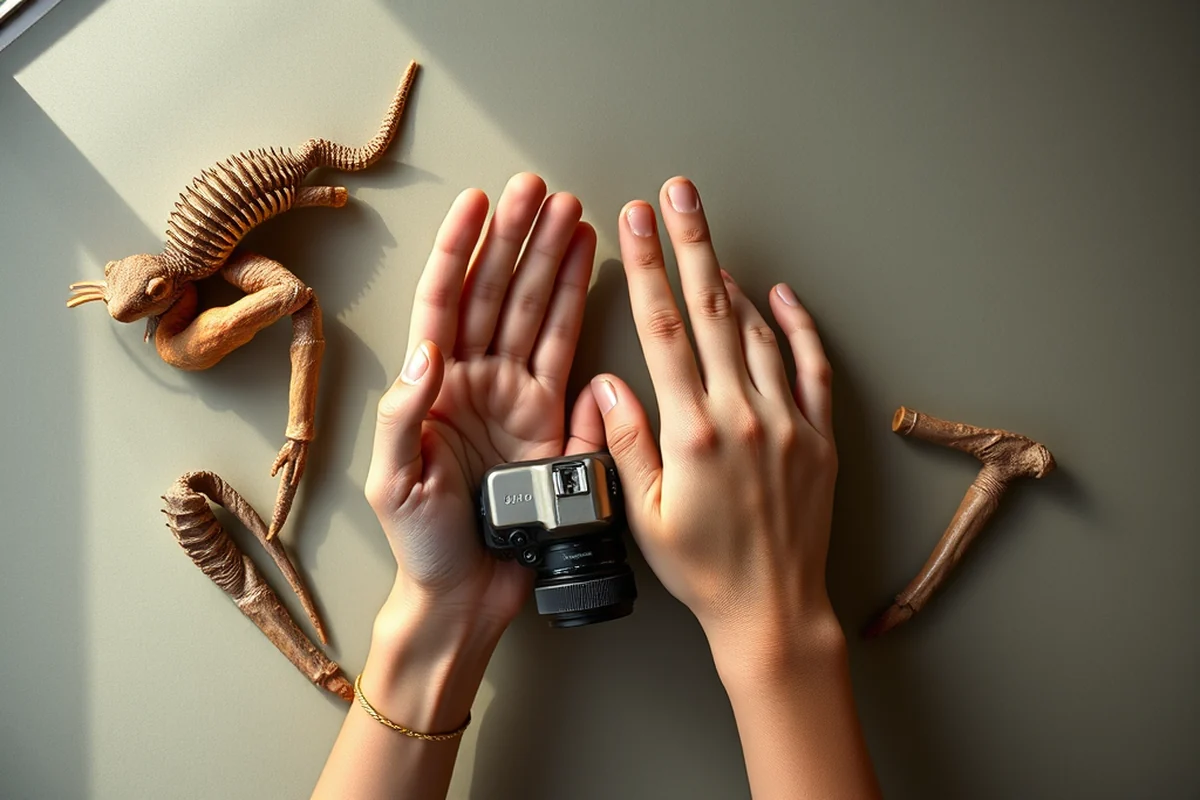
I was particularly impressed by the museum's educational programs, which are tailored for school groups, families, and even university students. During my visit, I saw a group of teenagers participating in a guided tour that included a hands-on activity involving fossil excavation. The museum made learning fun and engaging, and I could see the enthusiasm in the students' eyes.
For families, the museum offers a range of interactive exhibits that are both educational and entertaining. One of my favorite parts was a section where children could create their own 'fossil' by pressing a leaf into a piece of clay and then seeing it turned into a replica. It was a small but impactful way to teach kids about paleontology.
The museum also offers workshops and lectures that are open to the public. I attended a talk on desert ecology, which was led by a local scientist and included a Q&A session. These events are a great way to deepen your understanding of the region and its natural history.
Related: Archaeology tours for seniors
Visiting with Kids
I brought my younger cousin along on my visit, and she was absolutely delighted by the museum's interactive elements. One of the highlights for her was the 'Dinosaurs of the Southwest' exhibit, where she could see real fossils and even touch replicas of bones. The museum made learning about prehistoric life feel like an adventure.
Another feature that I loved was the Children's Museum section, which is designed specifically for younger visitors. It has a variety of hands-on activities, including a mock archaeology site where kids can dig for artifacts. I watched as my cousin excitedly unearthed a small figurine and beamed with pride.
The museum also has a gift shop that sells educational toys and books, many of which are tailored to children's interests. I picked up a small dinosaur toy for my cousin, and she was thrilled. The museum doesn't just provide a great experience—it also creates lasting memories.
Related: Culture history archaeology pdf
The Museum's Role in Conservation
One of the things that stood out to me during my visit was the museum's emphasis on conservation. I saw an exhibit that detailed the impact of climate change on desert ecosystems, complete with data on temperature shifts and biodiversity loss. The museum presented this information in a way that was both informative and thought-provoking.
The museum also partners with local organizations to promote conservation efforts. I saw a section that highlighted the work of the Arizona Game and Fish Department in protecting native species. It was inspiring to see how the museum is not just a place for learning, but also for taking action.
In addition, the museum has a program that allows visitors to contribute to research by submitting observations of local wildlife. I saw a display that showed how data from visitors had helped scientists track the migration patterns of a certain bird species. It was a powerful reminder that each of us can play a role in conservation.
The Arizona Museum of Natural History doesn't just preserve the past—it helps shape a better future.
Related: Archaeology table travellers rest
A Final Reflection on the Museum
As I left the museum, I felt a deep sense of gratitude for the experience I had just had. The Arizona Museum of Natural History had given me a new perspective on Arizona's natural and cultural heritage, and I left with a greater appreciation for the land and its people.
What struck me most was the museum's ability to make the past feel present. Whether I was standing in front of a 10,000-year-old artifact or gazing at a holographic reconstruction of a prehistoric landscape, the museum made me feel like I was part of a larger story. It was a feeling that stayed with me long after I had left.
I believe that the Arizona Museum of Natural History is one of the most important cultural institutions in the Southwest. It's a place that educates, inspires, and connects visitors with the history and natural beauty of Arizona. I can't wait to return and see what new exhibits will be on display next.
💰 Budget Traveler
Experience the Arizona Museum of Natural History without breaking the bank, with free days and discounts for students and seniors.
🌄 Long Weekend Explorer
Combine your visit to the Arizona Museum of Natural History with a short trip to nearby natural attractions like Saguaro National Park and Phoenix Skyline.
👨👩👧👦 Family Adventure
Bring the kids for a day of discovery, with interactive exhibits and educational programs tailored for young learners.
🍂 Off-Season Visitor
Visit during the fall for a more relaxed experience, with fewer crowds and the chance to enjoy the museum's seasonal events and lectures.
✨ Luxury Traveler
Enjoy a luxurious visit with private tours, exclusive access, and a stay at one of the upscale hotels near the museum.
| The mistake | Why it happens | The fix |
|---|---|---|
| Assuming the museum is only for adults. | The Arizona Museum of Natural History has a variety of exhibits that are suitable for all ages, including interactive displays for children and educational programs for families. | Plan your visit with the whole family in mind. The museum has activities and exhibits that will engage both young children and adults. |
| Not checking the museum's schedule for special events. | The Arizona Museum of Natural History frequently hosts lectures, workshops, and special events that may be of interest to visitors. | Before your visit, check the museum's website or social media for details on upcoming events that may enhance your experience. |
| Not wearing comfortable shoes. | The museum is quite large, and there is a lot of walking involved. Wearing uncomfortable shoes can make the visit less enjoyable. | Wear comfortable, closed-toe shoes to ensure you can move freely and comfortably throughout the museum. |
| Overlooking the museum's gift shop. | The gift shop offers a wide range of educational and souvenirs that are perfect for visitors of all ages. Many of these items are designed to help you remember your visit. | Take the time to explore the gift shop, where you can find books, toys, and other items that celebrate the museum's exhibits and the natural history of Arizona. |
Arizona Museum Of Natural History
Common Questions
Is the Arizona Museum of Natural History free to enter?
Are there any special exhibits that are worth visiting?
Can I bring my own food into the museum?
Is the museum accessible for visitors with disabilities?
References
- A Rare Specimen - Arizona Alumni (alumni.arizona.edu)
- Beneski Museum of Natural History Meteorites - Amherst College (amherst.edu)
- Department of Art Students & Faculty Join Collaborators for ... (art.byu.edu)
- Military Families Receive Free Admission This Summer at ... (azarts.gov)
Cite this guide
Cultural Archaeology Travel (2026). Arizona Museum Of Natural History. https://pastandpath.com/arizona-museum-of-natural-history/
Feel free to cite or share this guide.