
What Is A Trap Museum

📖 Table of Contents
- What Exactly Is a Trap Museum?
- What Makes Trap Museums Unique?
- What Can You Learn at a Trap Museum?
- Where Are the Best Trap Museums Located?
- How to Plan a Trip to a Trap Museum?
- What Are the Benefits of Visiting a Trap Museum?
- What Should You Expect When Visiting a Trap Museum?
- Make It Your Way
- Frequently Asked Questions
I still remember the moment I stepped into my first trap museum — it was in a quiet town in northern France, surrounded by fields that looked untouched by time. The air was cool, the sunlight filtered through the museum’s glass ceiling, and the silence was broken only by the occasional creak of old wood and the soft murmur of a guide. What struck me most wasn’t the traps themselves, but the stories they told: of survival, ingenuity, and the long, slow dance between humans and nature. That’s what a trap museum is — a place where history, craftsmanship, and the human spirit come alive in a way no textbook ever could.[1]
Trap museums are more than just collections of rusty metal and twine. They are immersive experiences that reveal the deep relationship between people and the natural world. I’ve visited several across Europe and North America, each with its own unique story and display. Some focus on the tools of survival, showing how early humans hunted without guns or bullets, while others explore the darker side of trapping — the impact on wildlife, the ethical dilemmas. The cultural shifts that came with industrialization. These museums are not just about the past; they’re about understanding the present and shaping the future.[2]
What makes a trap museum stand out is its ability to connect you to the land and its people. I remember walking through a section in a museum in Canada where the walls were lined with traps from the 19th century. Each one had a plaque detailing its origin and the stories of the trappers who used it. It was a moment of clarity — I realized that these were not just tools, but extensions of the trapper’s identity. That’s what a trap museum does: it invites you to see the world through their eyes, to feel the weight of a trap in your hands and understand the lives it shaped.
Why You'll Love This Experience
- Immerse yourself in the history of survival and innovation
- Discover the craftsmanship behind traditional traps
- Gain a deeper understanding of human-nature relationships
- Explore the ethical and cultural dimensions of trapping
What Exactly Is a Trap Museum?
As of November 2026, Trap museums are often housed in historic buildings or open-air settings, reflecting the rural and rugged environments where trapping once thrived. Some of the most notable ones are located in regions with a long trapping tradition, like the French countryside or the boreal forests of Canada. These museums aim not just to display traps, but to educate visitors on the techniques and tools used by trappers across centuries.[3]
One of the most fascinating aspects of trap museums is their ability to show how trapping evolved. I visited a museum in Sweden that had a timeline wall showing the development of traps from simple snares made of natural materials to sophisticated, spring-loaded devices. Each display included a short description of how they were used, and even a few hands-on demonstrations for visitors.
For a deeper dive, some museums offer guided tours that explain the cultural and environmental impact of trapping. I had the chance to speak with a local historian at a museum in Alaska who shared stories of indigenous trappers and how their methods have been passed down through generations. These museums are not just about the past — they’re also about raising awareness about conservation and ethical trapping today.
Trap museums are often best experienced in the daylight when the exhibits are most visible and the interactive displays are fully functional.
Part of our Archaeology cultural guide.
What Makes Trap Museums Unique?
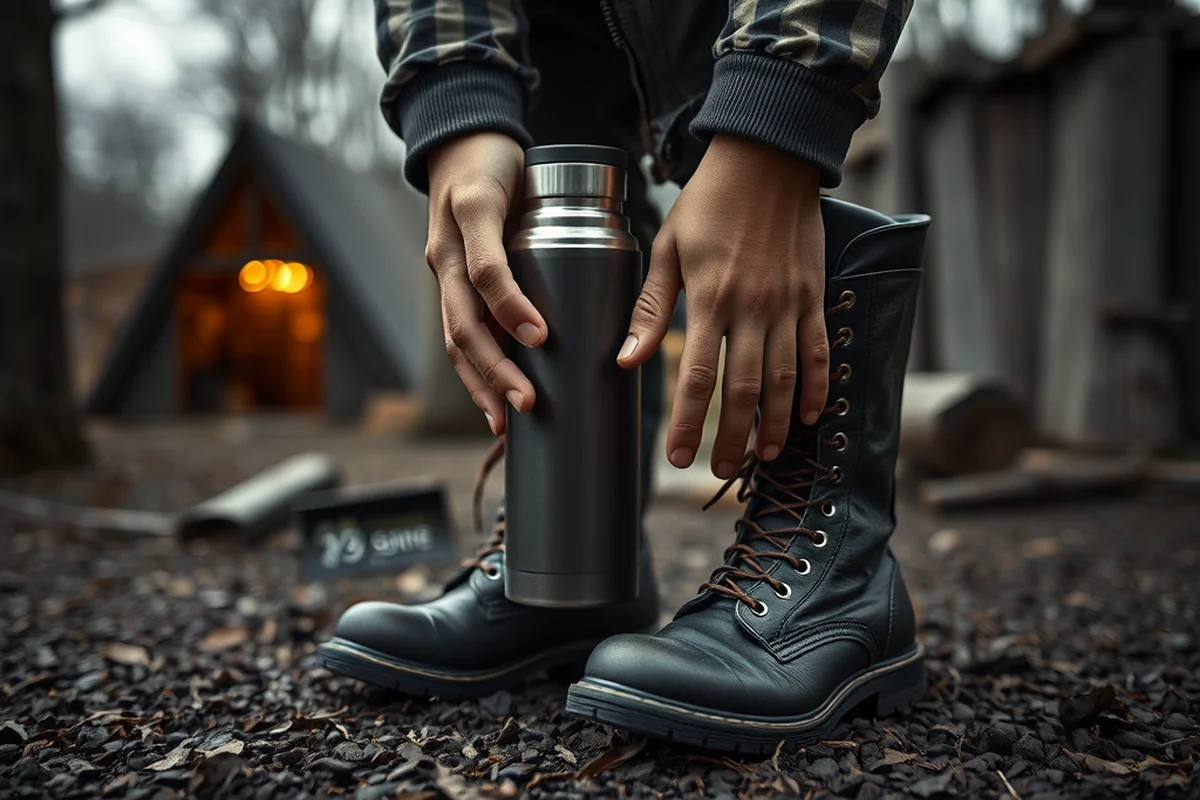
Unlike most museums, trap museums often allow visitors to handle actual traps, touch replicas of historical tools, and even try out a few simple ones under supervision. This tactile experience makes the history of trapping more tangible and engaging. I remember trying a wooden snare at a museum in Germany — it was surprisingly delicate, and the guide explained how it was used without harming the animal.
The storytelling aspect is another key feature. Many museums have audio guides, interactive screens, or even live demonstrations. One museum I visited in Poland had a section where actors reenacted the lives of trappers from the 19th century, giving visitors a glimpse into the daily challenges and triumphs of these early survivalists.
The connection to the past is deeply personal in these museums. I found myself reflecting on the skills and resilience of the trappers whose tools I was examining. It was a humbling experience to realize that the traps in the museum were once used in the very same forests I was walking through just hours earlier.
Trap museums are where history becomes hands-on.
Related: What is the cloisters museum
What Can You Learn at a Trap Museum?
One of the most valuable lessons is about the evolution of trapping techniques. I saw a display in a museum in Norway that showed how early trappers relied on simple snares and pits, while later innovations included more complex and humane devices. The museum also highlighted the transition from traditional trapping to modern wildlife management practices.
Another key takeaway is the understanding of the human-nature relationship. Some museums focus on how trapping was not just a survival skill, but also a cultural practice. In a museum in Russia, I learned about the role of trapping in indigenous communities and how it shaped their connection to the land.
There’s also a growing emphasis on conservation and ethical trapping. One museum in Canada had an entire section dedicated to the impact of trapping on wildlife populations and how modern regulations have helped protect endangered species. It was a sobering but informative experience.
Many trap museums offer guided tours or educational workshops, especially for families and students. These programs can provide deeper insights into the history and science of trapping.
“I still remember the moment I stepped into my first trap museum — it was in a quiet town in northern France, surrounded by fields…”— Cultural Archaeology Travel editors
Related: Museum of ice cream
Where Are the Best Trap Museums Located?

Some of the best trap museums are located in countries with deep trapping traditions, like France, Sweden, and Canada. For example, the Musée du Piégeage in France is one of the most comprehensive collections in Europe, featuring hundreds of historical traps and interactive exhibits. In Canada, the North American Trapper Museum in Manitoba is a must-visit for anyone interested in the history of trapping in North America.
In the United States, the National Trappers Association Museum in Colorado offers a unique look into the American trapping experience. I was particularly impressed by their collection of 19th-century traps and the stories of the trappers who used them. The museum also has a section on the impact of the fur trade on indigenous communities, which was both enlightening and thought-provoking.
For those in Asia, there are smaller but equally fascinating museums in countries like Russia and Mongolia. These museums often blend traditional trapping practices with the local culture, offering a unique perspective on how trapping has shaped life in these regions.
Related: What is the creation museum kentucky
How to Plan a Trip to a Trap Museum?
Start by researching the most interesting trap museums in your region or the world. Look for reviews, visitor ratings, and any special exhibitions that may be happening. I found that museums with live demonstrations or hands-on exhibits tend to be the most engaging.
Once you’ve chosen a museum, check the opening hours and admission fees. Some museums offer group discounts or educational programs for schools and families. It’s also a good idea to bring comfortable shoes, as many trap museums are located in historic or rural areas with uneven terrain.
Finally, consider visiting during the off-season for a more relaxed experience. I found that visiting in the spring was ideal — the weather was pleasant, and the museums weren’t crowded with tourists. It also allowed me to enjoy the surrounding landscapes, which were often just as fascinating as the museum itself.
Related: Salvador dal museum
What Are the Benefits of Visiting a Trap Museum?
One of the most obvious benefits is the educational value. These museums provide a deep explore the history of trapping, the evolution of tools, and the impact on wildlife. I found myself learning more about the history of trapping in one visit than I had in years of reading about it.
Another benefit is the opportunity to connect with the past in a tangible way. Unlike traditional museums where you only see artifacts, trap museums often let you handle and even use historical traps. This makes the experience more personal and immersive.
Finally, trap museums can be a great way to explore the natural world. Many are located in scenic areas, and the museums themselves often highlight the relationship between humans and nature. It’s a unique way to learn about the environment while enjoying the beauty of the surrounding landscapes.
Trap museums are where history and nature meet in a way that few other museums can match.
Related: What is the lacma museum
What Should You Expect When Visiting a Trap Museum?
Upon entering a trap museum, you’ll typically find a mix of historical artifacts on display, from simple snares to complex mechanical traps. Many museums have interactive sections where visitors can try out traps or watch demonstrations of how they work. I was surprised by how much I learned in one of these sections — even as a casual visitor, I found the experience both informative and entertaining.
Guided tours are often available, especially for families or educational groups. These tours can provide deeper context and insights into the history and science of trapping. Some museums also offer audio guides or digital screens that provide additional information about the exhibits.
Visiting a trap museum is not just about the exhibits — it’s also about the experience of being in a place where history and nature come together. Whether you’re standing in a museum that’s housed in a historic cabin or walking through a display that shows the evolution of trapping techniques, you’re sure to leave with a new appreciation for the past.
💰 Budget-Friendly Trap Museum Trip
Experience the world of trapping without breaking the bank by visiting local museums or attending free exhibitions.
🛏️ Long Weekend Trap Museum Escape
Plan a weekend trip to a trap museum and explore the surrounding area for a well-rounded cultural and historical experience.
👨👩👧👦 Trap Museum with Kids
Choose a trap museum that offers interactive and educational activities for children, making learning fun and engaging.
🍂 Off-Season Trap Museum Adventure
Visit a trap museum during the off-season for a more relaxed and intimate experience with fewer crowds and lower admission fees.
💎 Luxury Trap Museum Experience
Opt for a high-end trap museum with exclusive access, private tours, and a luxurious setting that enhances the overall experience.
| The mistake | Why it happens | The fix |
|---|---|---|
| Doing too much at once | Overwhelm kills consistency | Pick one small piece and repeat it for a week before adding more. |
| Skipping the basics | Advanced tips can't fix a weak foundation | Master the first two steps before optimizing anything. |
What Is A Trap Museum
Common Questions
Are trap museums only for history enthusiasts?
Can I handle the traps in a museum?
What is the best time to visit a trap museum?
Are trap museums suitable for families with children?
References
Cite this guide
Cultural Archaeology Travel (2026). What Is A Trap Museum. https://pastandpath.com/what-is-a-trap-museum/
Feel free to cite or share this guide.