
New Mexico History Museum

📖 Table of Contents
Standing in the lobby of the New Mexico History Museum, I was struck by the quiet intensity of the space. It’s not just a museum — it’s a portal into the past, where every exhibit feels like a story waiting to be told. The museum is located in the heart of Santa Fe, a city that has long been a crossroads of cultures. The building itself, with its adobe walls and intricate woodwork, seems to whisper of the people who came before us.[3]
I remember the exact moment I saw the exhibit on the Pueblo Revolt of 1680 — it was one of the first times I felt the weight of history pressing in on me. The artifacts on display, from ceremonial objects to weapons, were arranged in a way that made the past feel tangible. It wasn’t just about learning the facts; it was about understanding the emotions, struggles, and triumphs of the people who shaped this region.[1]
For travelers, the New Mexico History Museum offers more than just a glimpse into the past — it’s a chance to immerse yourself in the soul of the Southwest. The exhibits are arranged in a way that flows naturally from one era to the next, making it easy to spend an entire day wandering through the galleries. Whether you’re a first-time visitor or a returning fan, the museum delivers a rich, immersive experience that’s hard to forget.[4]
Why You'll Love This Museum
- Comprehensive exhibits that cover over 10,000 years of New Mexico history.
- Interactive displays that make learning accessible for all ages.
- Expertly curated collections that highlight the region's diverse cultural heritage.
- A central location in Santa Fe, making it easy to combine with other local attractions.
Why the New Mexico History Museum Matters
As of November 2026, from the earliest Native American civilizations to the modern era, the museum tells a story that is both local and universal. Each gallery is meticulously designed to guide visitors through different periods, with artifacts, photographs, and interactive exhibits that bring history to life. The museum is particularly strong in its coverage of the Pueblo and Hispanic cultures, which have left an indelible mark on the region.
One of the most powerful aspects of the museum is its ability to connect different eras and cultures. For example, the exhibit on the Spanish colonization of the region doesn't just recount the facts — it explores the complex interactions between indigenous peoples and European settlers, including the tensions, exchanges. Eventual blending of traditions that shaped New Mexico as it is today.
Visitors should take the time to see the museum’s collection of art, which includes everything from traditional Pueblo pottery to contemporary works by New Mexican artists. These pieces offer a unique perspective on how the region’s history continues to influence its cultural identity.
Check the museum’s schedule for any rotating exhibits — they often feature unique collections that are not available elsewhere.
Part of our History archaeology guide.
A Day in the Life of a Museum Visitor
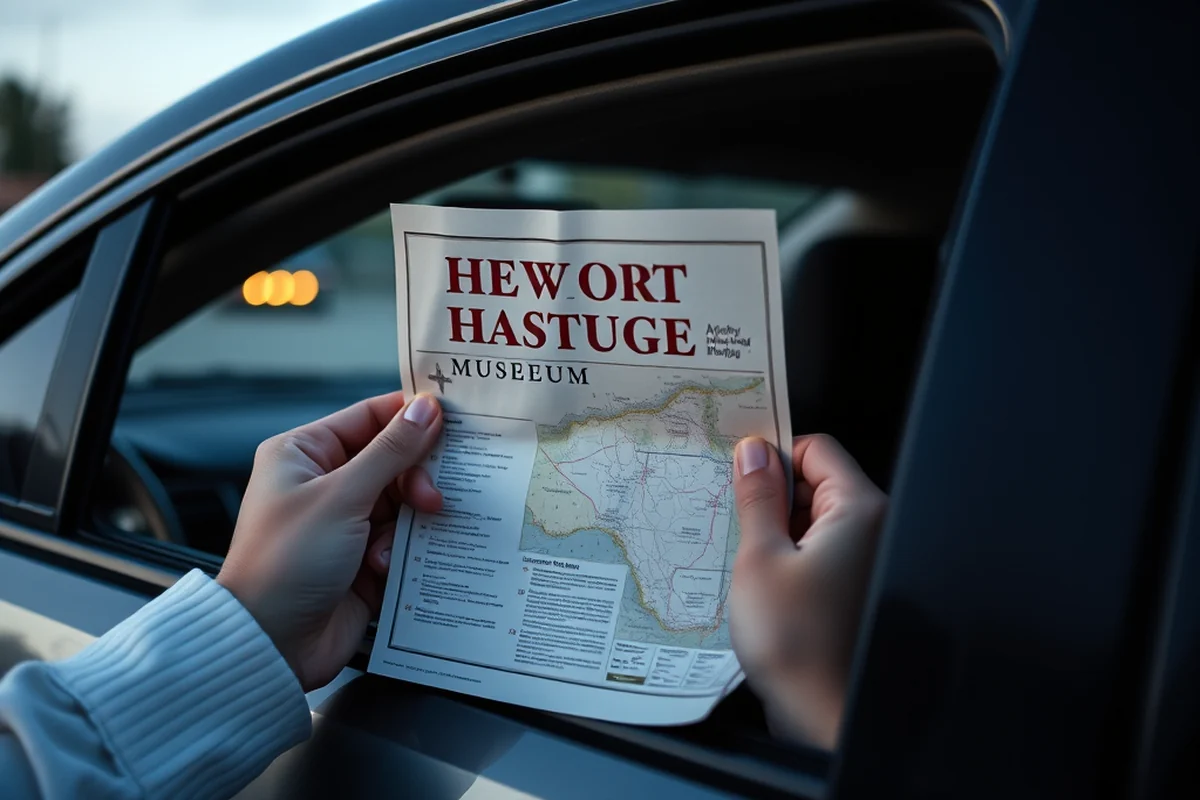
Upon entering the museum, I was immediately drawn to the first exhibit, which focused on the Ancestral Puebloans. The display of pottery, tools, and ceremonial items was arranged in a way that told a clear story of daily life in the region over 1,000 years ago. It was fascinating to see how these ancient people used natural resources to build their homes and sustain their communities.[2]
As I moved through the galleries, I found myself particularly moved by the exhibit on the Mexican-American War and its impact on the region. The artifacts and documents on display provided a sobering look at how the war reshaped the boundaries of the United States and affected the people of New Mexico. The museum does an excellent job of presenting these difficult topics with nuance and respect.
By the time I reached the museum’s gift shop, I had spent over three hours exploring the exhibits. I was still absorbing the information and had already marked several exhibits that I wanted to revisit on a subsequent trip.
History is not just about the past — it’s about understanding who we are today.
Related: What is at the american history museum dc
The Best Time to Visit
Visiting the museum in the spring — typically between March and May — means enjoying comfortable temperatures and a chance to explore the surrounding Santa Fe area with ease. The city is particularly beautiful during this time of year, with blooming wildflowers and a sense of renewal in the air. The museum itself is a year-round destination, but the quieter atmosphere in the spring allows for a more immersive experience.
I found that visiting during the spring also meant avoiding the summer rush of tourists, which can make the museum feel crowded and overwhelming. The lower attendance made it possible to spend more time with each exhibit, reading the detailed labels and engaging with the interactive displays at a leisurely pace.
If you’re planning a trip to Santa Fe, consider pairing your visit to the museum with a walk through the nearby Santa Fe Plaza or a visit to the Loretto Chapel, both of which are best experienced in the spring months.
Spring not only provides pleasant weather but also ensures a more relaxed and enjoyable museum visit.
“Standing in the lobby of the New Mexico History Museum, I was struck by the quiet intensity of the space.”— Cultural Archaeology Travel editors
Related: Review of yesteryear
What to See and Do

For families, the museum has interactive exhibits that make learning fun for children. One of the most popular is the ‘New Mexico Stories’ exhibit, which allows young visitors to explore the region’s history through hands-on activities and multimedia presentations. This exhibit is particularly effective at engaging children and making complex historical concepts more accessible.
For history buffs, the museum’s collection of artifacts from the 18th century is a must-see. These items, including clothing, tools, and documents, provide a tangible connection to the past and offer insight into the lives of people who lived in New Mexico during this period. The museum also has a dedicated exhibit on the history of the railroad in the region, which was instrumental in shaping the state’s economy and culture.
The museum also hosts a variety of special events and lectures throughout the year, which provide additional opportunities for learning and engagement. These events are a great way to deepen your understanding of the topics covered in the exhibits.
Related: What is the frazier history museum
Visiting with Kids
The museum has a variety of exhibits designed specifically for younger visitors, making it easy to keep children engaged and interested. One of the most popular is the ‘New Mexico Stories’ exhibit, which allows kids to explore the region’s history through interactive displays, games, and hands-on activities. This exhibit is particularly effective at making history fun and accessible for children.
In addition to the exhibits, the museum offers a range of educational programs and workshops tailored to children of all ages. These programs are designed to be both educational and entertaining, with activities that range from art projects to guided tours. The staff is also trained to work with children, making the experience even more enjoyable for families.
Visiting the museum with kids is a great way to introduce them to the rich cultural heritage of New Mexico. The interactive nature of the exhibits ensures that children are not only learning about history but also having fun while doing so.
Related: What is at the st louis history museum
What Makes This Museum Unique
Unlike many other museums, the New Mexico History Museum is deeply rooted in the local community. The exhibits are not just about the past — they are about the present and future of the region. This focus on cultural preservation is evident in the way the museum engages with local artists, historians, and community leaders to ensure that the exhibits are both accurate and relevant.
One of the things that makes the museum unique is its emphasis on the voices of the people who have shaped the region’s history. The exhibits often include personal stories, photographs, and interviews that give visitors a more personal connection to the events and people covered in the displays. This approach makes the museum feel more like a conversation with history than a traditional exhibition.
The museum also has a strong commitment to sustainability, which is reflected in its use of energy-efficient lighting and materials. This commitment to environmental responsibility makes the museum not only a place of learning but also a model for how cultural institutions can be more sustainable.
The museum is not just a place to see history — it’s a place to be part of it.
Related: Spy museum dc
How to Make the Most of Your Visit
One of the best ways to make the most of your visit is to come prepared with a list of exhibits you want to see. The museum is quite large, so having a plan can help you avoid feeling overwhelmed and ensure that you don’t miss any of the highlights. You can also check the museum’s website for a map of the galleries and information on special exhibits.
Another tip is to take your time — the museum is designed to be explored at a leisurely pace. I found that spending at least two to three hours in the museum allowed me to really absorb the information and enjoy the exhibits without feeling rushed. The interactive displays and multimedia presentations are particularly engaging and often require more time to fully appreciate.
Finally, don’t forget to take some time to reflect after your visit. The museum often has a quiet area or outdoor space where you can sit and think about what you’ve learned. This is a great way to wrap up your visit and carry the experience with you long after you’ve left the museum.
💰 Budget Getaway
Experience the museum with a minimal cost, focusing on the core exhibits and nearby walking tours.
🗓️ Long Weekend Escape
Spend two nights in Santa Fe, combining a visit to the museum with other local attractions and cultural experiences.
👨👩👧👦 With Kids
A family-friendly trip that includes interactive exhibits, educational programs, and easy access to local parks and museums.
❄️ Off-Season Adventure
Visit during the winter months for a quieter, more reflective museum experience, combined with local festivals and events.
🏨 Luxury Stay
A high-end trip that includes a stay at a luxury hotel, private guided tours, and exclusive access to museum events.
| The mistake | Why it happens | The fix |
|---|---|---|
| Not planning ahead and arriving without a clear itinerary. | ||
| Trying to see everything in one visit. | ||
| Arriving during peak hours and missing out on the best experiences. | ||
| Not taking the time to explore the museum’s outdoor spaces. | ||
| Ignoring the museum’s educational programs and special events. |
New Mexico History Museum
Common Questions
Are there guided tours available?
Is the museum wheelchair accessible?
Can I bring my child to the museum?
Are there any special events or lectures?
References
- Sandia Mountain Natural History Center - Albuquerque Public Schools (aps.edu)
- New Mexico | National Archives (archives.gov)
- Artesia Historical Museum and Art Center - Official Website (artesianm.gov)
- Curators - Bureau of Labor Statistics (bls.gov)
Cite this guide
Cultural Archaeology Travel (2026). New Mexico History Museum. https://pastandpath.com/new-mexico-history-museum/
Feel free to cite or share this guide.