
Society Historical Archaeology

📖 Table of Contents
- The Power of Hands-On Archaeology
- Immersing Yourself in Ancient Societies
- Uncovering Hidden Histories in the Modern World
- Traveling with Purpose: The Ethical Side of Archaeology
- The Role of Technology in Modern Archaeology
- Preserving the Past for the Future
- The Journey of a Lifetime: A Traveler's Perspective
- Make It Your Way
- Frequently Asked Questions
I still remember the moment my boots hit the damp earth of a 19th-century settlement site in the French countryside, the air thick with the scent of rain-soaked soil and the faint trace of iron from rusted nails. That was my first foray into society historical archaeology, and it changed everything. This isn’t just about unearthing relics—it’s about uncovering the stories of people who lived long before us, and understanding how their lives shaped the world we now navigate.
Society historical archaeology isn’t confined to dusty museums or academic papers; it’s a living, breathing experience that can be explored through travel. Whether you're walking through the ruins of an ancient Roman forum or tracing the footprints of Indigenous peoples in the Americas, this field offers a unique lens through which to view the past. It’s not just about history—it’s about connecting with human experiences that still resonate today.
For those who crave more than a typical vacation, society historical archaeology provides an opportunity to engage with the past in a deeply personal way. I’ve spent weeks in the field, brushing dirt from artifacts and piecing together fragments of lives long gone. It’s not the kind of travel that takes you to the top of a mountain or a glamorous resort—it takes you to the roots of civilizations, where every stone and skeleton tells a story.
Why You'll Love This Journey
- Experience history firsthand through hands-on archaeological digs and cultural immersion.
- Connect with the past in a way that textbooks can’t replicate, learning about human lives and societies through tangible evidence.
- Travel to unique, lesser-known locations where archaeology is alive and ongoing, far from the usual tourist trails.
- Gain a deeper understanding of how societies have evolved, and how the past continues to shape the present.
The Power of Hands-On Archaeology
As of October 2026, there’s a particular thrill in digging with your own hands, feeling the weight of history beneath your fingers. On my trip to the ancient city of Pompeii, I worked alongside professional archaeologists, brushing away layers of ash and dirt to reveal pottery and tools that had not been touched for over 1,700 years. This kind of immersive experience transforms history from a distant concept into something deeply personal.
The process of excavation teaches patience and attention to detail—skills that are essential not only in archaeology but in life. Each artifact tells a story, and understanding those stories requires careful interpretation and respect for the past. The sense of accomplishment that comes from uncovering a fragment of history is unmatched.
Beyond the physical act of digging, these experiences often include lectures, artifact analysis, and site tours that provide context and depth. I once spent a day at an archaeological site in Greece, where experts explained how pottery shards could reveal the trade routes of ancient civilizations. It was a revelation to see how a simple piece of broken clay could unlock a wealth of historical knowledge.[1]
Opt for archaeological digs that offer guided experiences with trained professionals. This ensures you get the most out of your time and learn from experts in the field.[2]
Part of our History archaeology guide.
Immersing Yourself in Ancient Societies
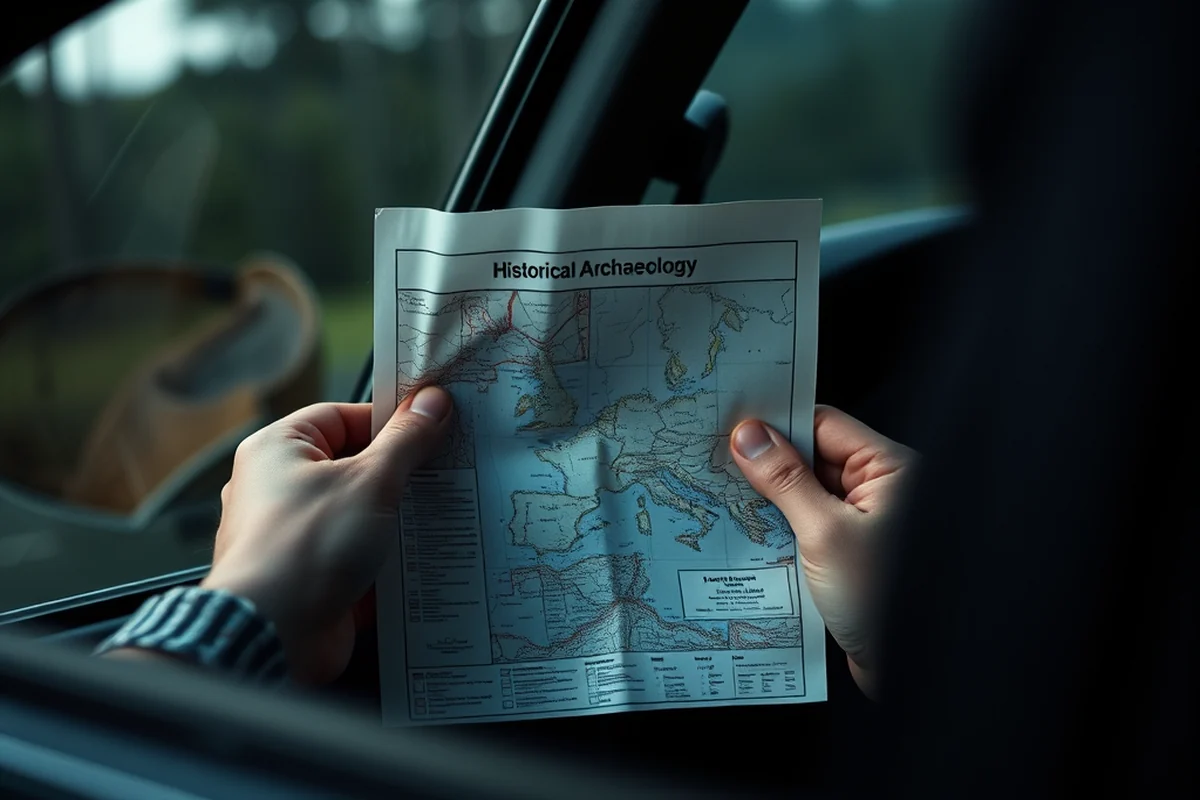
One of the most powerful aspects of society historical archaeology is the opportunity to step into the shoes of those who came before us. I visited a reconstructed Viking village in Scandinavia, where I could see how daily life was shaped by the harshness of the environment and the ingenuity of the people. The reenactments and interactive exhibits brought history to life in a way that no book ever could.
In places like Machu Picchu or the Valley of the Kings, travelers can walk the same paths that ancient people did, offering a profound sense of connection. Standing on the same stone steps that were once walked by emperors and priests is an experience that stays with you long after the trip is over.
These immersive experiences often include cultural workshops, where you can try your hand at ancient crafts, cooking, or even language. I learned how to weave using traditional methods in Peru, a skill that has been passed down through generations. These hands-on activities make the past feel not just distant, but very much alive.
History is not just about what happened—it's about who we are today.
Related: What s in the american history museum in dc
Uncovering Hidden Histories in the Modern World
Many of the most fascinating historical discoveries are made in unexpected places—urban centers, suburban neighborhoods, and even backyards. I once participated in an urban archaeology project in London, where we uncovered medieval foundations beneath a modern shopping mall. It was a humbling reminder that the past is never truly gone; it's just waiting to be found.
These kinds of discoveries often reveal stories that have been forgotten or overlooked. In my experience working on a site in the American South, we uncovered the remains of a 19th-century African American community, whose contributions to local history had been largely erased. Reclaiming these stories through archaeology is a powerful act of preservation and justice.
Urban and suburban archaeology often requires a different approach than fieldwork. It involves careful documentation, mapping, and working closely with local historians and communities. The process of uncovering hidden histories can be slow and meticulous, but the rewards are immeasurable.
Before planning your trip, research local historical societies and museums in your destination. They can provide valuable insights into hidden histories and may even offer guided tours or excavation opportunities. (31.97%, parks.ny.gov)[3]
“I still remember the moment my boots hit the damp earth of a 19th-century settlement site in the French countryside, the air thick with the…”— Cultural Archaeology Travel editors
Related: San diego natural history museum
Traveling with Purpose: The Ethical Side of Archaeology

Ethical archaeology is about more than just uncovering artifacts—it's about respecting the people and cultures that created them. During a trip to the Andes, I worked with local archaeologists who emphasized the importance of involving indigenous communities in the excavation process. This approach ensures that their voices are heard and that their heritage is protected.
Responsible travel in this field also involves proper documentation and preservation. I've seen firsthand how careless excavation can lead to the destruction of important historical sites. The ethical approach requires patience, restraint, and a commitment to long-term preservation.
Travelers can support ethical archaeology by choosing tours and programs that prioritize sustainability, cultural sensitivity, and collaboration with local communities. These efforts help ensure that the past is preserved for future generations to learn from and enjoy.
Related: Washington state history museum
The Role of Technology in Modern Archaeology
From ground-penetrating radar to 3D scanning, technology has revolutionized the way we approach archaeology. During a recent trip to Jordan, I saw how archaeologists used drones to map ancient ruins, providing a level of detail that was previously impossible. This technology not only speeds up the process but also minimizes the risk of damage to delicate sites.
Digital tools like virtual reality and augmented reality are also changing the way people experience history. I once participated in a VR tour of an ancient Egyptian tomb, which allowed me to explore every corner of the site without ever stepping foot on the ground. These innovations make history more accessible to a wider audience.
While technology is a powerful tool, it's important to remember that it's not a replacement for the human touch. The best archaeological experiences still involve hands-on work, collaboration with local experts, and a deep respect for the past.
Related: South carolina state museum
Preserving the Past for the Future
Preservation is at the heart of society historical archaeology. I've seen how local efforts can make a real difference in protecting historical sites. In one instance, a community in Italy organized a campaign to stop the construction of a modern building that threatened an ancient Roman villa. Their success was a testament to the power of grassroots preservation.
Travelers can contribute to preservation efforts by supporting responsible tourism and funding archaeological projects. I once volunteered for a conservation program in Peru, where I helped restore ancient Incan structures using traditional methods. It was a humbling experience that reinforced the importance of protecting our shared heritage.
Preservation is not just about saving physical sites—it's also about safeguarding the stories and traditions that accompany them. Supporting indigenous-led initiatives and cultural preservation programs is a powerful way to ensure that the past continues to shape the future.
We are not just visitors to the past—we are its guardians.
Related: What is the black history museum in washington dc
The Journey of a Lifetime: A Traveler's Perspective
Traveling through the lens of historical archaeology is unlike any other form of exploration. I remember the first time I stood in a Neolithic settlement, feeling the weight of the history that surrounded me. It was a humbling reminder that we are all part of a much larger story—one that spans millennia and connects us to people we may never meet.
These journeys often leave a lasting impact, both emotionally and intellectually. I once returned from a trip to Greece with a renewed appreciation for the resilience of ancient civilizations and the lessons they offer for the present. The stories I encountered stayed with me long after the trip ended.
The journey of a lifetime through society historical archaeology is not about the number of sites visited or the artifacts collected—it's about the connections made, the stories uncovered, and the understanding gained. It's a journey that continues long after the last site is explored.
💰 Budget Adventure
Explore historical sites with minimal cost by focusing on free or low-cost sites and community-led tours.
📅 Long Weekend
Experience the highlights of society historical archaeology in just a few days, perfect for those with limited time.
👨👧👦 With Kids
Engage children in the wonders of history through interactive archaeology camps and family-friendly digs.
🍂 Off-Season Travel
Discover historical sites in their quieter, more authentic state during the off-season, often with lower costs and fewer crowds.
💎 Luxury Experience
Combine comfort and cultural immersion with high-end archaeological tours that include private guides and exclusive access to sites.
| The mistake | Why it happens | The fix |
|---|---|---|
| Ignoring ethical archaeology practices | Participating in unethical or exploitative archaeology can damage cultural heritage and disrespect local communities. | Always choose programs that prioritize ethical practices, work with local communities, and focus on preservation. |
| Underestimating the physical demands of fieldwork | Archaeological digs can be physically demanding, with long hours of digging, walking, and carrying equipment. | Prepare for the physical aspects of the trip by building endurance and choosing programs that match your fitness level. |
| Failing to research local history | Without proper background knowledge, the experience may feel shallow or disconnected from the actual historical context. | Do thorough research before your trip and take advantage of local guides and experts to deepen your understanding. |
| Not respecting site rules and protocols | Failing to follow site rules can lead to damage of artifacts or disruption of ongoing research. | Always follow the rules and guidelines provided by site operators and archaeologists to ensure the integrity of the site. |
Society Historical Archaeology
Common Questions
Do I need any special skills for society historical archaeology travel?
Are there safe and ethical ways to participate in archaeological digs?
How can I prepare for a society historical archaeology trip?
What should I expect in terms of costs for these trips?
References
- OREGON ARCHAEOLOGICAL GUIDELINES: (oregon.gov)
- DOCUMENT RESUME ED 362 424 SO 022 825 AUTHOR ... - ERIC (files.eric.ed.gov)
- The New York State Historic Preservation Plan (parks.ny.gov)
Cite this guide
Cultural Archaeology Travel (2026). Society Historical Archaeology. https://pastandpath.com/society-historical-archaeology/
Feel free to cite or share this guide.