
What Is Western Heritage

📖 Table of Contents
- What is Western Heritage?
- The Role of Western Heritage in Travel
- Western Heritage and the Modern World
- Western Heritage in the Arts and Culture
- Western Heritage and the Preservation of History
- The Personal Connection to Western Heritage
- The Future of Western Heritage
- Make It Your Way
- Frequently Asked Questions
I still remember the first time I stood in front of the Colosseum at sunrise, the air sharp with the scent of olive trees and the distant call of a lark echoing through the ancient stones. That moment was my first real encounter with Western heritage — a living, breathing tapestry of history and culture. It was not just the architecture or the history books that drew me in, but the way the heritage felt — tangible, layered, and alive. It made me want to understand more, to explore deeper, and to find my own connection to this vast and complex legacy.[1]
Western heritage is not just about the grand monuments or the famous names of the past. It's about the daily rituals, the traditions passed down through generations, the ways of life that have shaped societies from the Pyrenees to the Pacific Northwest. I've walked cobblestone streets in Paris, watched a medieval market in Bruges, and sat in a quiet monastery in the Italian Dolomites. Each of these places has a unique story, and each tells a part of what it means to be part of the Western heritage. It's a heritage that's both ancient and ever-changing, a heritage that invites you to see the world through different lenses.[2]
I've traveled across Europe, the Americas, and parts of Asia, seeking out the places where Western heritage is most palpable. What I found was a rich and varied landscape of cultural expression — from the solemn beauty of Gothic cathedrals to the vibrant energy of modern cities like New York and Sydney. Western heritage isn't a single, monolithic entity. It's a mosaic of traditions, histories, and identities that continue to evolve. Understanding what Western heritage is can open the door to a deeper appreciation of the places you visit and the people who call them home.[3]
Why You'll Love This Journey Through Western Heritage
- Immerse yourself in the living history of Europe, the Americas, and beyond.
- Connect with traditions that have shaped the modern world.
- Experience the beauty of ancient sites and the vibrancy of contemporary culture.
- Discover a deeper understanding of global identity and shared human experience.
What is Western Heritage?
As of October 2026, Western heritage is a broad and multifaceted concept that encompasses a vast array of cultural, historical, and societal influences. It's shaped by the rise and fall of empires, the spread of religion, and the evolution of art, language, and governance. From the Renaissance to the Enlightenment, the Western world has played a pivotal role in shaping the modern world.[4]
This heritage is not static — it's dynamic and continues to evolve. The legacy of the ancient Greeks and Romans, the influence of medieval Europe, and the impact of the Enlightenment on modern politics and philosophy all contribute to the Western heritage we see today. It's a heritage that's reflected in the architecture, literature, and legal systems of many countries around the world.[5]
To understand Western heritage is to understand the foundations of much of the modern world. It's a heritage that has influenced everything from scientific discovery to artistic expression and continues to shape the way societies function today.
Start by visiting a place where Western heritage is clearly visible, such as the Acropolis in Greece or the Roman Forum in Italy. These sites offer a tangible connection to the past and a deeper understanding of its lasting impact.
The Role of Western Heritage in Travel

When you travel to places steeped in Western heritage, you're not just sightseeing — you're walking through history. Each city, each monument, each tradition tells a story that's been passed down through generations. It's a chance to see how the past has shaped the present and how that influence continues to be felt today.
Whether it's exploring the medieval streets of York in England or visiting the grand cathedrals of Paris, Western heritage adds a layer of depth to your travel experience. It's about more than just seeing — it's about understanding, connecting, and appreciating the cultural significance of the places you visit.
This kind of travel can be both transformative and enlightening. It offers a unique opportunity to see the world from a different perspective and to understand the cultural and historical forces that have shaped it.
History is not just in the books — it's in the stones, the streets, and the stories people tell.
Related: Archaeologist travel
Western Heritage and the Modern World
The influence of Western heritage is deeply embedded in the modern world. The principles of democracy, the rule of law, and the scientific method all have their roots in the Western tradition. These ideas have been carried forward and adapted by societies around the globe.
In the arts, the Renaissance and the Enlightenment laid the groundwork for many of the innovations we see today — from the works of Michelangelo to the philosophies of Kant. These traditions continue to inspire artists, writers, and thinkers around the world.
As you explore the modern world, you'll see the echoes of Western heritage in everything from architecture and education to politics and media. It's a legacy that continues to shape the way we live and think.
Look for contemporary landmarks that reflect the influence of Western heritage, such as the United Nations building in New York or the Sydney Opera House. These sites show how Western heritage continues to shape the modern world.
“I still remember the first time I stood in front of the Colosseum at sunrise, the air sharp with the scent of olive trees and…”— Cultural Archaeology Travel editors
Related: Archaeology trips
Western Heritage in the Arts and Culture
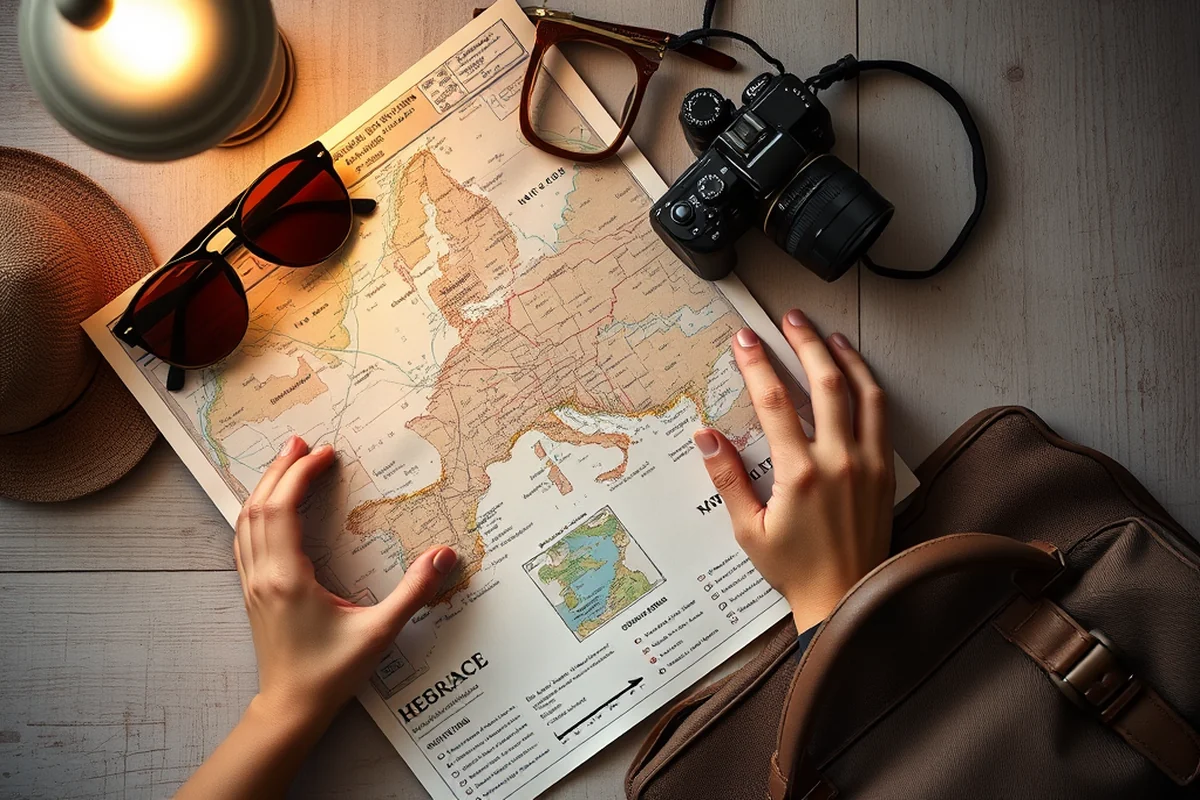
The arts have long been a reflection of Western heritage, capturing the spirit, values, and traditions of the societies that shaped them. From the operas of Verdi to the plays of Shakespeare, Western heritage has left an indelible mark on the world of the arts.
In the visual arts, the Renaissance brought about a new way of seeing the world, influencing everything from painting to sculpture. Today, the legacy of these traditions can still be seen in the masterpieces displayed in museums and galleries around the world.
The influence of Western heritage extends beyond Europe — it can be seen in the works of artists and writers in North and South America, as well as in parts of Asia and Africa. It's a legacy that continues to inspire and shape the arts in new and unexpected ways.
Related: Archaeology heritage jobs
Western Heritage and the Preservation of History
Many of the places that represent Western heritage are at risk due to urban development, climate change, and other factors. Preserving these sites is crucial for maintaining a connection to the past and ensuring that future generations can learn from them.
Efforts to preserve Western heritage take many forms, from the restoration of ancient monuments to the protection of traditional cultural practices. These efforts help to safeguard the legacy of the Western world for future generations.
As a traveler, you can play a role in the preservation of Western heritage by supporting responsible tourism, visiting heritage sites with respect. Learning about the history and culture of the places you visit.
Related: Archaeology travel mug
The Personal Connection to Western Heritage
Traveling through places rich in Western heritage can create a deep sense of connection — both to the past and to the present. It's about meeting people, experiencing traditions, and discovering new ways of seeing the world.
When you visit a place with a strong Western heritage, you're not just an observer — you're a participant in a living history. Whether it's attending a festival in France or walking the streets of a historic city in Italy, the experience is both personal and profound.
This kind of travel can be transformative, helping you to see the world in a new light and to understand your place in it. It's a journey that's not just about where you go, but about who you become along the way.
Heritage is not just in the past — it's in the people, the stories, and the traditions that shape our lives.
Related: Description for heritage day
The Future of Western Heritage
As the world becomes more interconnected, the future of Western heritage is being redefined. New generations are finding ways to honor the past while also embracing the future. This includes the preservation of traditional practices, the adaptation of historical sites, and the celebration of cultural diversity.
The future of Western heritage is not just about preserving the past — it's about ensuring that it remains relevant and meaningful for future generations. It's a future that's shaped by both tradition and innovation.
As a traveler, you have the opportunity to be part of this evolving legacy. Whether you're visiting ancient sites or exploring modern cities, your journey can help to shape the future of Western heritage in meaningful ways.
💰 Budget Breakdown
Experience the highlights of Western heritage without breaking the bank — from $680 for a 4-day trip with 6 stops.
📅 Long Weekend
Explore the essence of Western heritage in just 4 days, with a focus on major cultural landmarks and immersive experiences.
👨👩👧👦 With Kids
Introduce your children to the wonders of Western heritage with family-friendly itineraries and hands-on learning opportunities.
🍂 Off-Season
Travel during the off-season and enjoy lower prices, fewer crowds, and a more authentic connection to Western heritage.
🏨 Luxury Stay
Indulge in a high-end experience that combines the grandeur of Western heritage with modern comforts and exclusive access to cultural sites.
| The mistake | Why it happens | The fix |
|---|---|---|
| Assuming all Western heritage is the same across different regions. | Western heritage is diverse and varies greatly across different regions and cultures. Assuming it's the same can lead to misunderstandings and missed opportunities for deeper cultural engagement. | Take the time to research the specific heritage of each region you visit and approach each experience with curiosity and openness. |
| Ignoring the importance of local traditions and practices. | Local traditions and practices are an essential part of Western heritage. Ignoring them can result in a superficial understanding of the cultural and historical significance of the places you visit. | Seek out opportunities to engage with local traditions and practices, whether through festivals, museums, or conversations with locals. |
| Focusing too much on famous landmarks and neglecting the surrounding communities. | While famous landmarks are important, they are only part of the story. Focusing too much on them can lead to an incomplete understanding of the cultural and historical context of the places you visit. | Balance your itinerary by visiting both famous landmarks and the surrounding communities to get a more complete picture of the heritage and culture of the region. |
| Not considering the impact of tourism on heritage sites. | Tourism can have a significant impact on heritage sites, both positive and negative. Failing to consider this impact can lead to the degradation of these sites and the loss of cultural and historical significance. | Choose responsible and sustainable tourism options that support the preservation of heritage sites and promote respectful engagement with the local culture. |
| Dismissing the importance of oral history and personal stories in Western heritage. | Oral history and personal stories are vital to understanding the full scope of Western heritage. Dismissing them can result in a narrow and incomplete view of the past. | Take the time to listen to the stories of locals and engage with communities to gain a deeper understanding of the cultural and historical significance of the places you visit. |
What Is Western Heritage
Common Questions
How can I experience Western heritage in a meaningful way during my travels?
What are some must-see destinations for someone interested in Western heritage?
How does Western heritage influence modern societies?
What is the best time of year to visit places with strong Western heritage?
References
- Western Heritage Center: 10 Years in Association with the ... (affiliations.si.edu)
- The Convergence of Greek Myth and Western Heritage in Nashville (arch.astate.edu)
- Western Heritage Center: Home (billingsmt.gov)
- HI 104 Western Heritage - - Louisiana Christian University (catalog.lcuniversity.edu)
- ENG 210 - Western Heritage I: Literature - (catalog.oswego.edu)
Cite this guide
Cultural Archaeology Travel (2026). What Is Western Heritage. https://pastandpath.com/what-is-western-heritage/
Feel free to cite or share this guide.